
TL;DR – Grip in One Line
In golf, the grip is how your hands hold the club and it ultimately determines swing control, power, and shot direction.
Key Takeaways
- The grip is how you hold the club – it controls your swing and shot direction.
- Use your fingers, not palms, and keep your hands working together.
- Grip pressure should be firm but relaxed.
- Choose a grip style that fits: Overlapping, Interlocking, or Ten-Finger.
- A proper grip is the foundation of consistency in golf.
What Is Grip in Golf?
In golf, the grip refers to how a player places their hands on the club. It’s the only point of contact between you and the club, making it one of the most important fundamentals in the game. A proper grip gives you control over the clubface, helps you generate power, and ensures the club moves consistently through your swing.
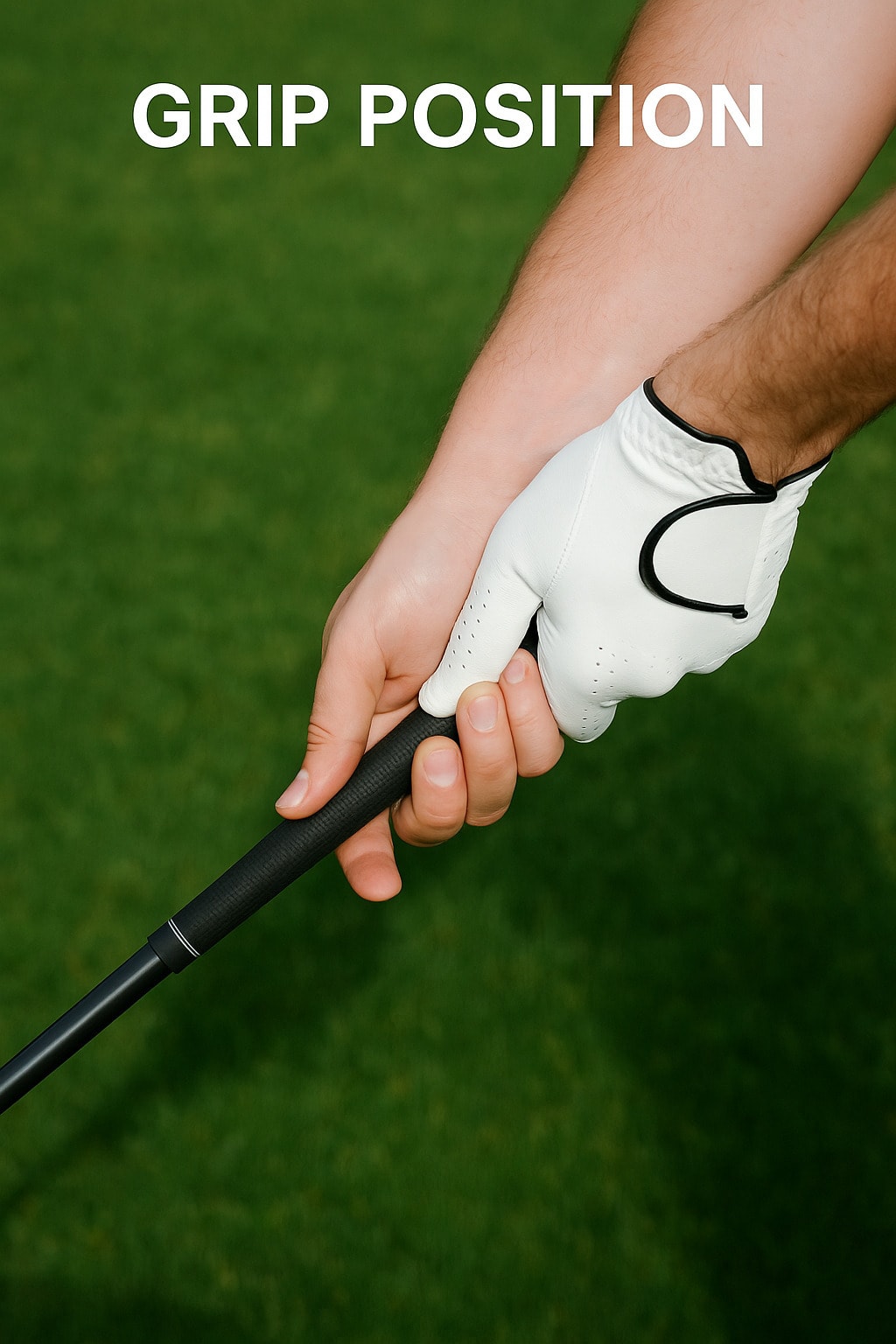
There are three main types of grips commonly used by golfers: The Overlapping Grip (Vardon Grip), The Interlocking Grip, The Ten-Finger Grip (Baseball Grip).
- The Overlapping Grip (Vardon Grip): The most popular among pros, where the pinky of the trailing hand rests on top of the lead hand’s index finger.
- The Interlocking Grip: Often used by players with smaller hands—like Tiger Woods—where the pinky and index finger of opposite hands lock together.
- The Ten-Finger Grip (Baseball Grip): A beginner-friendly grip where all ten fingers stay on the club, offering a natural feel but less control.
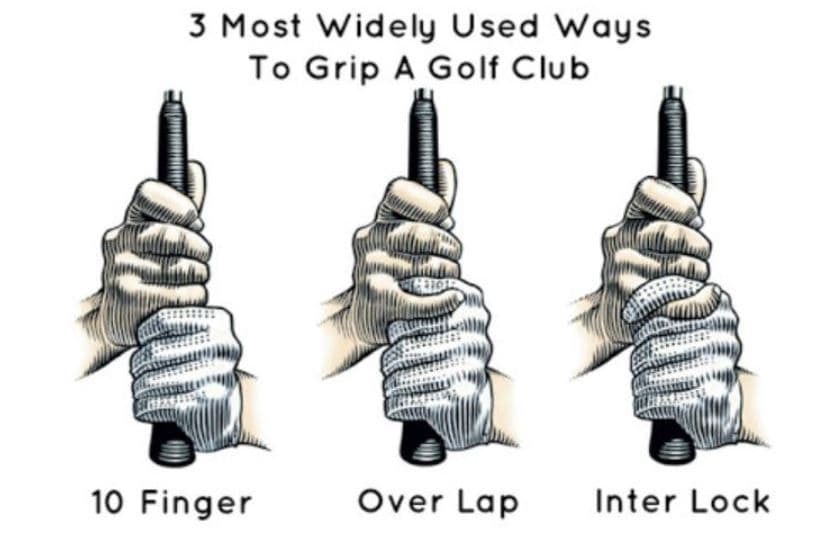
While the style may vary, all effective grips share key principles: the hands must work together, pressure should be firm but relaxed, and the club should sit primarily in the fingers, not the palms.
A correct grip sets the tone for everything that follows: alignment, swing path, impact, and shot shape. It’s the foundation of consistency in every golfer’s game.
Why Grip Matters
Your grip directly controls the clubface—and the clubface controls where your golf ball goes. A small change in how you hold the club can be the difference between a straight shot and a slice into the trees.
A good grip helps you:
- Control direction: Square up the face at impact for more accurate shots.
- Generate power: Maximize wrist hinge and release for longer drives.
- Stay consistent: Reduce swing compensations caused by poor hand placement.Avoid injuries: A relaxed, proper grip reduces tension and strain on your hands, wrists, and forearms.
In short, your grip is the foundation of your entire swing. Even with perfect posture and mechanics, a bad grip will limit your potential. That’s why every golf coach starts with the grip—fix it, and everything else can fall into place.
How to Do Grip Correctly
Getting your grip right is essential for building a reliable and repeatable golf swing. Here’s how to do it, step by step:
Step 1 – Choose Your Grip Style
Pick the grip type that suits your hand size and comfort:
- Overlapping (Vardon) – ideal for most players, especially with larger hands.
- Interlocking – best for smaller hands or more connection between hands.
- Ten-Finger (Baseball) – good for beginners or those with less hand strength.
Step 2 – Place Your Lead Hand (Top Hand)
For right-handed golfers, this is your left hand:
- Hold the club at an angle across the base of your fingers – not the palm.
- Wrap your fingers around the grip.
- Your thumb should rest slightly right of center on top of the grip.
Step 3 – Add Your Trail Hand (Bottom Hand)
For right-handed golfers, this is your right hand:
- Fit your bottom hand just below your lead hand using your chosen grip style.
- The grip should run diagonally across your fingers—not deep in your palm.
- Your right thumb should fit naturally over the left thumb, forming a “V” shape between your thumb and forefinger that points toward your right shoulder.
Step 4 – Check Hand Position
- Both hands should work together as a single unit.
- The “V” formed by the thumb and index finger of each hand should point between your right shoulder and chin (for right-handed golfers).
- The clubface should feel square and neutral in your hands—not twisted.
Step 5 – Apply the Right Grip Pressure
- Grip the club firmly enough to stay in control, but not tight enough to create tension.
- Think of holding a tube of toothpaste without squeezing any out—relaxed and responsive.
Once your grip is set correctly, you’ve laid the foundation for everything else in your swing—from takeaway to impact.
Common Mistakes to Avoid
- Gripping too tight – Causes tension in the arms and restricts your swing. Lighten up for better rhythm and control.
- Holding the club in the palms – Reduces wrist action and power; always grip with your fingers.
- Thumb placement too central or off-center – Throws off clubface control. Keep your thumbs slightly right of center (for right-handed golfers).
- Hands not working together – Misaligned hands create swing path issues. Make sure the hands feel like a single unit.
- Changing grip pressure mid-swing – Leads to inconsistent contact. Keep your grip pressure steady throughout.

Avoiding these mistakes early on will save you from frustrating swing faults down the line.
Pro Tips & Drills
- Use the glove check: After hitting shots, check your glove for wear. Wear marks in the palm mean you’re gripping incorrectly – too much in the palm, not enough in the fingers.
- “V” checkpoint: The “V” formed by your thumb and index finger on each hand should point between your chin and right shoulder (for right-handed golfers). This helps square the clubface.
- Tee grip drill: Place a tee under your lead-hand thumb on the grip. If it falls during your swing, your grip may be too loose or unstable.
- Swing with towel under arms: Tuck a towel under both armpits and make half-swings. This promotes unified hand and body movement—if your grip is wrong, the towel will drop.
- Practice one-handed swings: Hit short shots using only your lead hand, then only your trail hand. This builds awareness of each hand’s role in the grip and swing.
Perfecting your grip takes time and feel—but these drills can accelerate your progress and help you lock in the correct position.
FAQs About Grip
How tight should I hold the club?
Firm enough to stay in control, but relaxed enough to stay loose. Think of holding a tube of toothpaste – no squeezing out the paste.
Should my grip be the same for every club?
Yes, the basic grip stays the same from driver to wedge. Only slight pressure or stance adjustments may vary based on the club.
How do I know if my grip is wrong?
Common signs include slicing the ball, losing power, inconsistent shots, or seeing wear in the wrong spot on your glove (usually the palm). A coach or mirror check can also help.
Get instant access to the PDF version of this article with additional resources and insights.