
TL;DR: Draw in One Line
A draw is a controlled shot curving right-to-left that adds roll and distance.
Key Takeaways
- Draw curves right to left for right-handed players (left to right for left-handed).
- Produces a lower trajectory with more roll and extra distance.
- Built by combining an inside-out swing path with a slightly closed clubface.
- Useful for dogleg left holes, tailwinds, or avoiding right-side hazards.
- Not a hook, a draw is controlled and intentional.
What Is a Draw in Golf?
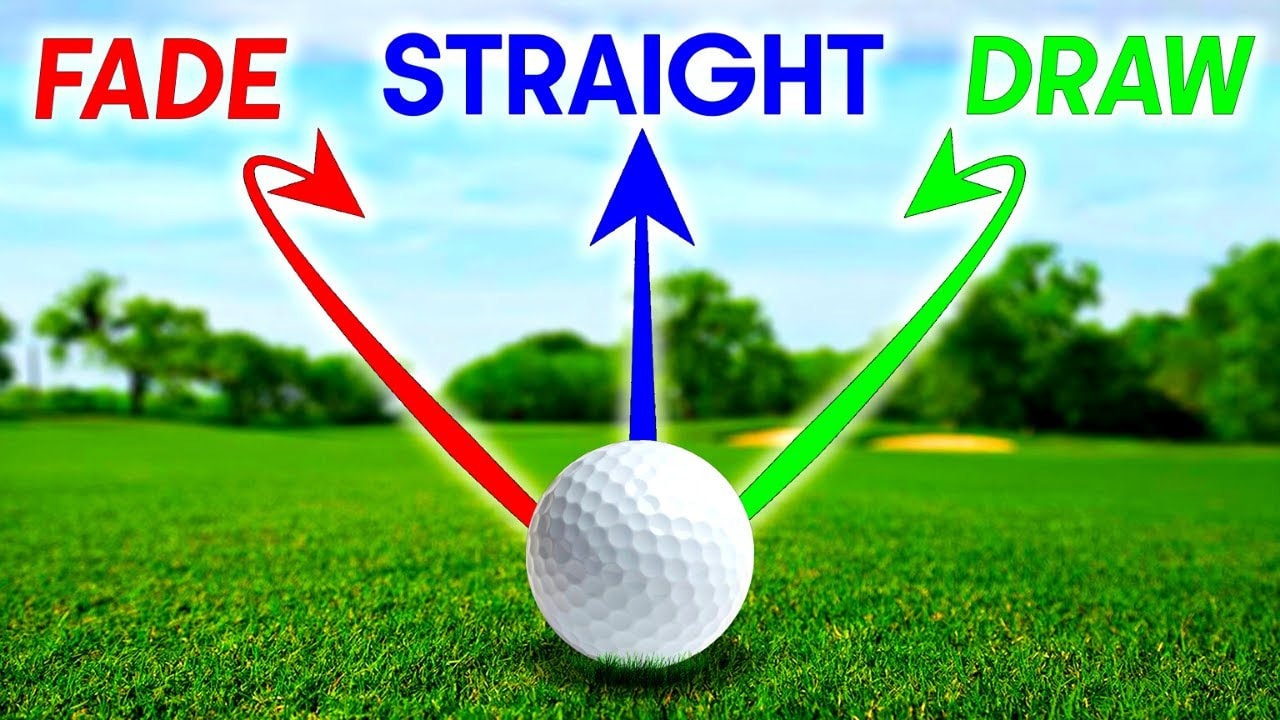
A draw is a golf shot that curves gently from right to left for right-handed players (left to right for left-handed).
It starts slightly off target and turns back toward the center, offering a controlled, penetrating flight with extra distance and more roll.
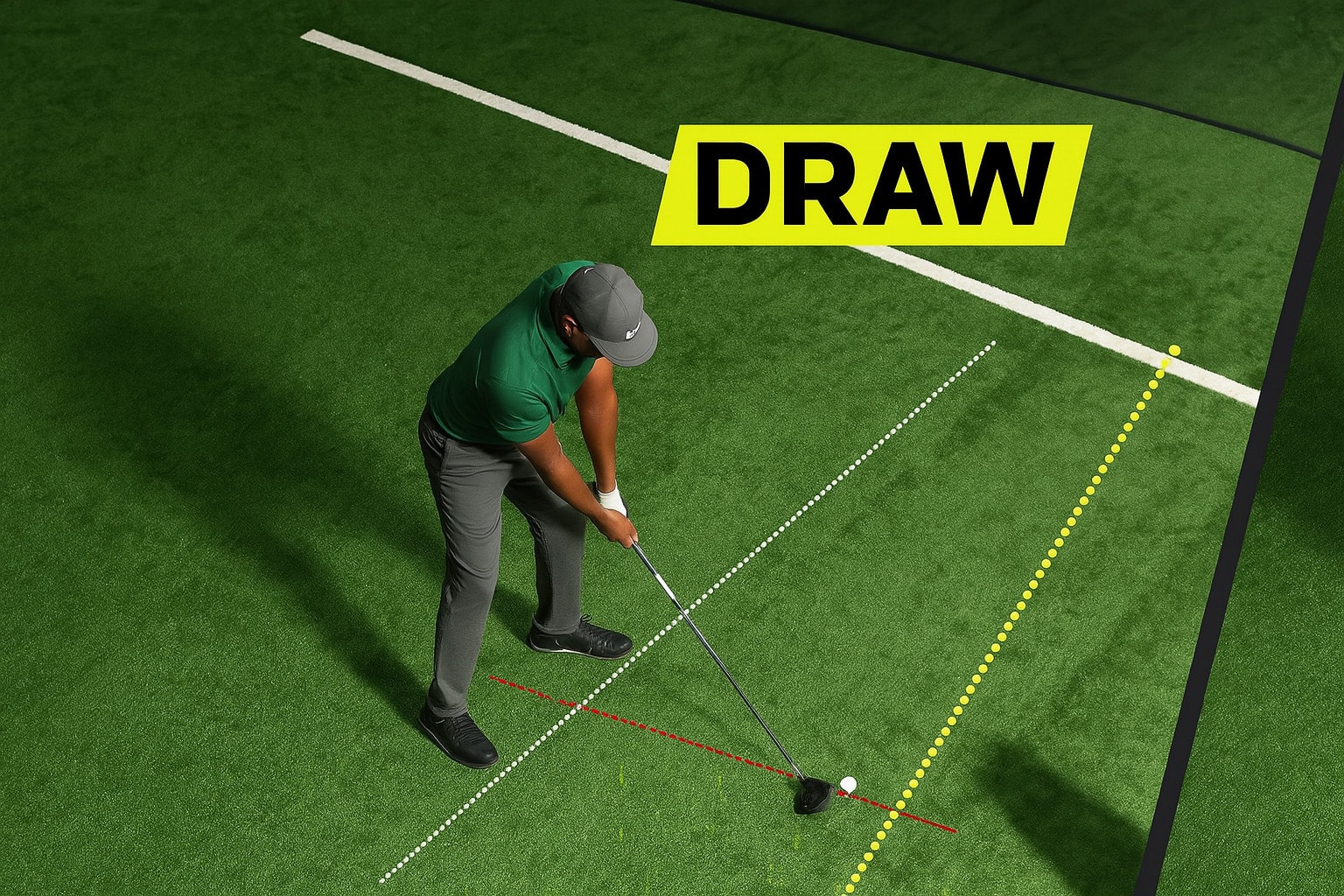
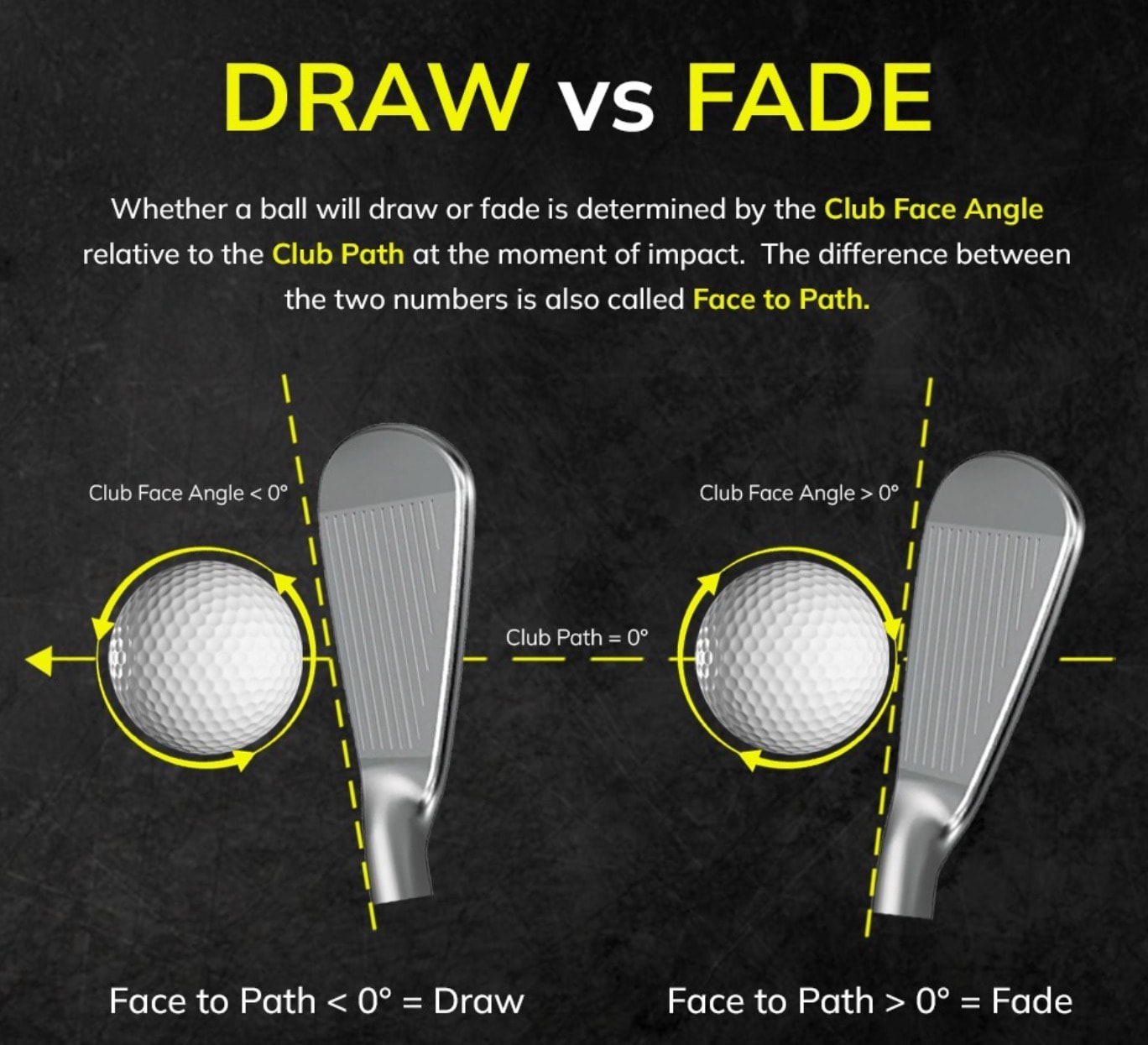
A draw is created by swinging inside-to-out with the clubface slightly closed to the swing path.
Unlike a hook, a draw is intentional and often used to shape shots around corners or fight crosswinds.
Draw vs Fade
This table compares a draw and a fade in golf, helping you quickly understand the differences in ball flight, control, distance, and when to use each shot:
| Feature | Draw | Fade |
|---|---|---|
| Ball Curve | Right to Left (RH) | Left to Right (RH) |
| Trajectory | Lower | Higher |
| Distance | Longer (more roll) | Shorter (less roll) |
| Control | Slightly harder to control | Easier to control |
| Best Used For | Dogleg left, tailwind shots | Dogleg right, soft landings |
| Swing Path | Inside-to-out | Outside-to-in |
Draws offer more roll and distance, making them great for shaping shots and gaining extra yards.
Fades provide greater control and softer landings, ideal for precision and tight approaches.
How to Hit a Draw
To hit a draw, you need to: adjust alignment, aim the clubface, swing inside-out, use the right grip, and rotate through impact. Step-by-Step:
Adjust your alignment
Stand with your feet, hips, and shoulders aimed slightly right of your target (right-hander).
Aim the clubface
Point the clubface directly at the target, not as far right as your body.
Swing inside-out
Swing the club along your body line, creating an inside-to-out path.
Use a slightly strong grip
Turn both hands a little to the right on the grip (for right-handers) to help close the clubface.
Rotate through impact
Let your body and arms release naturally, don’t hold the face open.
A draw happens when your clubface is closed to your swing path, creating the right spin to curve the ball back.
When to Use a Draw
Use a draw when you need to: navigate dogleg left holes, gain extra distance, fight left-to-right wind, or avoid right-side trouble.
- Dogleg left holes: A draw follows the natural curve of the hole for a better angle.
- Maximizing distance: Draws roll farther after landing, adding extra yards, especially off the tee.
- Hitting into a left-to-right wind: A draw can hold its line better and reduce wind drift.
- Avoiding right-side hazards: Curving the ball left keeps it away from bunkers or trouble on the right.
A draw is a smart play when you want more distance, better angles, or shot-shaping control.
Common Mistakes When Trying to Hit a Draw
Watch out for these common mistakes: Swinging too far inside-out, clubface too closed at impact, over-strong grip, poor alignment, and not rotating through the shot:
1. Swinging too far inside-out
This happens when your swing path is exaggerated, causing a hook or a push way right.
How to avoid: To avoid it, keep your swing path slightly inside-out, not extreme, use alignment sticks as a guide.
2. Closing the clubface too much
A clubface that’s too closed at impact leads to a snap hook or sharp pull.
How to avoid: Make sure your clubface points at the target, not left of it, when you set up.
3. Using an overly strong grip
Gripping the club with your hands too far to the right can close the face too early.
How to avoid: Stick with a neutral to slightly strong grip, showing 2–3 knuckles on your lead hand.
4. Aiming too far right
Over-aiming without squaring the face sends your ball way off line.
How to avoid: Align your body slightly right, but always keep the clubface aimed at the target.
5. Not rotating through the shot
If your body stalls and arms take over, the ball won’t draw properly.
How to avoid: Focus on a smooth body turn through impact, don’t hold back your follow-through.
These small mistakes can turn a controlled draw into a hook or mis-hit. Practice with purpose, and your draw will become a reliable shot in your game.
FAQs About Draws
1. Can beginners hit a draw?
Yes, but it takes practice and proper fundamentals. Focus on alignment, swing path, and face angle before trying to shape shots consistently.
2. Is a draw better than a fade?
Not always, both have their advantages. A draw gives more distance and roll, while a fade offers better control and softer landings.
3. Why does a draw go farther?
A draw has a lower, more penetrating flight and more roll-out after landing. This makes it ideal when you need extra yardage, especially off the tee.
4. What clubs are best for hitting a draw?
You can hit a draw with any club, but it’s easiest with longer clubs like a driver or 5-iron. Start with mid-irons while learning, then move to woods and driver.
5. How is a draw different from a hook?
A draw is a controlled, gentle curve back to the target. A hook is a sharp, unintentional curve that misses badly, usually caused by poor mechanics.
Get instant access to the PDF version of this article with additional resources and insights.