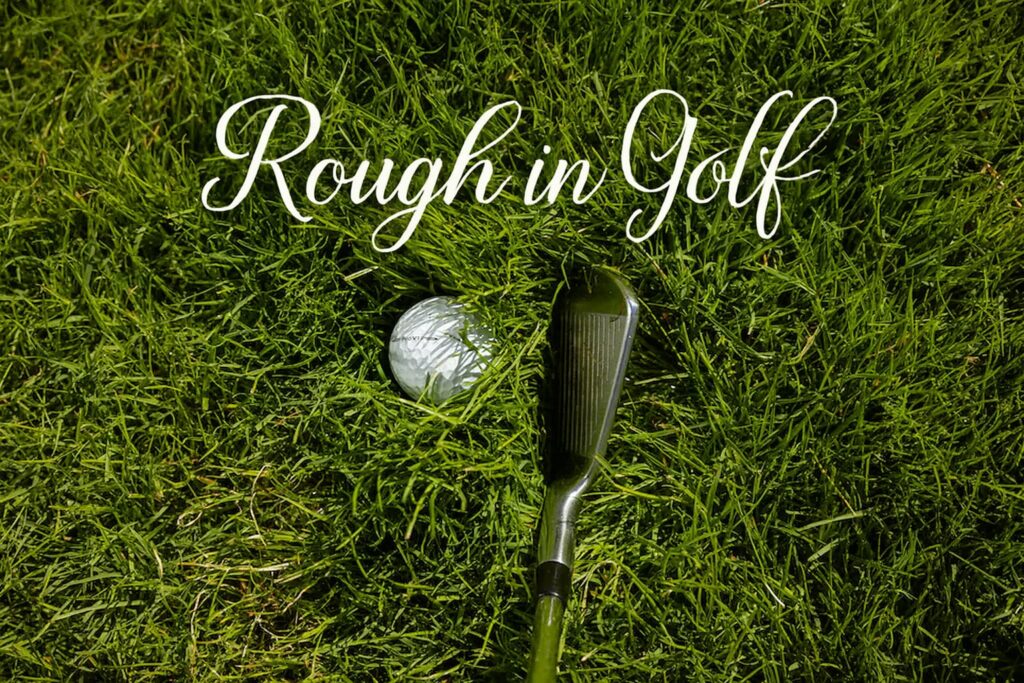
TL;DR – Rough in One Line
The rough is the longer grass surrounding the fairway that makes shots more challenging.
Key Takeaways
- Rough is longer grass around the fairway and greens
- Makes clean shots harder and reduces control
- Different types include light, deep, and fescue rough
- Smart club choice and solid contact are key to success
- Avoiding the rough helps lower scores
What Is the Rough in Golf?
In golf, the rough is the area of longer, thicker grass that surrounds the fairway and greens. It’s intentionally maintained to be more difficult than the closely-mowed fairway, making shots from the rough harder to control.
When your ball lands in the rough, the tall grass can:
- Grab the clubface, twisting it during your swing
- Reduce spin and distance, making shots fly unpredictably
- Make clean contact tougher, especially with longer clubs
The rough is a natural part of golf course design, adding challenge and rewarding players who hit accurate tee shots. While it’s not a hazard by the rules, it often functions as a penalty for missed fairways.
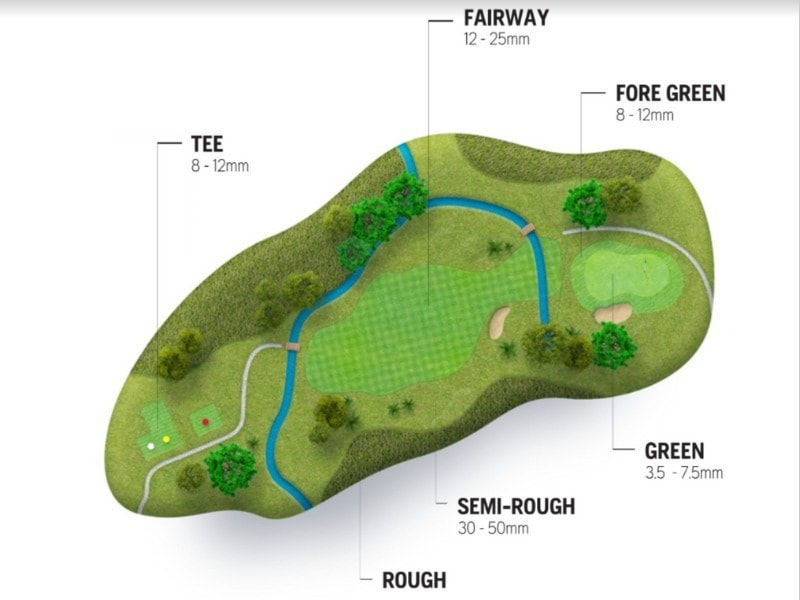
Types of Rough
Golf courses feature different types of rough: light rough, intermediate rough, deep rough, penal rough, and fescue or natural rough, each with varying levels of difficulty:
Light Rough
Slightly taller than fairway grass, but still manageable. You can usually hit full shots with minimal adjustment.
Intermediate Rough (First Cut)
Thicker and longer grass that requires more control. May reduce distance and affect shot accuracy.
Deep Rough (Heavy Rough)
Dense and tall grass that makes it hard to generate clean contact. Often requires a wedge or short iron just to advance the ball.
Penal Rough
Very long or wild grass, often near hazards or out-of-bounds. Designed to severely punish wayward shots. Escaping cleanly may be impossible.
Fescue or Natural Rough
Found on links-style or eco-friendly courses, featuring tall, wispy grasses. Looks scenic but plays tough, often requires just punching back to safety.
Each type demands a different strategy, and knowing how to adjust your swing and club selection is key to minimizing score damage.
How the Rough Affects Your Shot
Hitting from the rough can affect your shot in several ways: reduced distance, limited spin, unexpected flyers, clubface twisting, and poor contact, all of which make control more difficult.
Reduces Distance
The thick grass slows the clubhead and reduces energy transfer to the ball.
Limits Spin
Grass between the clubface and ball cuts down on spin, making it harder to control the ball’s flight and stop it on the green.
Causes Flyers
Sometimes, the ball comes out hot with less spin and more distance than expected, known as a “flyer.”
Twists the Clubface
Uneven or thick lies can twist the clubface at impact, leading to hooks, slices, or mis-hits.
Disrupts Contact
Long grass can prevent clean ball-first contact, especially with long irons or woods.
Understanding these effects helps you make smarter club and shot choices when you’re in the rough.
How to Play from the Rough (Tips)
Key tips include: use a higher-lofted club, grip firmer, swing steeper, focus on clean contact, avoid long clubs, and play safe when needed. When you’re in the rough, smart adjustments can save your score.
Use a Higher-Lofted Club
Why it matters: Lofted clubs (like a pitching wedge or 9-iron) cut through thick grass more easily and help lift the ball out cleanly.Use it when: The ball is sitting down or you need better control getting back to the fairway or green.
Grip the Club Tighter Than Usual
Why it matters: Tall grass can twist the clubface at impact, causing off-line shots. A firmer grip helps reduce twisting.Use it when: You’re in medium to heavy rough with grass surrounding the clubhead.
Swing with a Steeper Angle of Attack
Why it matters: A steep swing path helps you strike the ball before the grass and avoid snagging.Use it when: You need clean contact and the lie is slightly buried.
Avoid Long Irons and Fairway Woods
Why it matters: These clubs have smaller faces and less loft, making it difficult to lift the ball or make clean contact.Use it when: You’re tempted to reach the green from deep rough, play it smart instead.
Focus on Clean, Solid Contact
Why it matters: Grass interferes with control and spin. Hitting the ball first ensures better accuracy and distance.Use it when: The lie is playable but tricky, prioritize technique, not power.
Aim for Accuracy Over Aggression
Why it matters: Trying to “go for it” often leads to more trouble. Sometimes the best play is just back to the fairway.Use it when: You’re in deep or penal rough, resetting sets up your next shot.
Evaluate the Lie Before Choosing Your Shot
Why it matters: Not all rough is equal, some lies are playable, others aren’t. Take a moment to assess.Use it when: You need to decide whether to advance or just get out safely.

FAQ About the Rough
Is the rough considered a hazard in golf?
No, the rough is not a hazard by the rules. You’re allowed to ground your club and take practice swings, unlike in bunkers or penalty areas.
Can I ground my club in the rough?
Yes. Unlike sand traps or water hazards, you can rest your club on the ground before swinging.
Why is it harder to hit from the rough?
The longer, thicker grass can tangle around your clubface, making it difficult to generate clean contact, distance, and spin.
Does the type of rough vary by course?
Absolutely. Some courses have light, trimmed rough, while others grow it out thick, especially championship or links-style layouts.
Should I always try to advance the ball toward the green from the rough?
Not always. If the lie is bad or the rough is deep, it’s often smarter to lay up to a safe spot than risk compounding errors.
Get instant access to the PDF version of this article with additional resources and insights.