
Choosing perfect golf attire requires understanding specific dress code requirements that vary by course type. Proper clothing selection ensures course access while maintaining comfort and performance during play.
Most golf courses enforce dress codes that mandate collared shirts, tailored bottoms, and appropriate footwear. These same courses prohibit items like denim, tank tops, and athletic shorts that don’t meet traditional golf standards.
Weather conditions, course formality levels, and gender-specific requirements further influence optimal attire choices. This makes comprehensive dress code knowledge essential for avoiding embarrassing course access denial.
This complete guide covers everything from universal clothing requirements to course-specific policies. You’ll learn how to select appropriate golf attire that meets any dress code while maximizing your on-course comfort and confidence.
Key Takeaways
- Collared shirts are required at most courses – polo shirts are the safest choice for universal acceptance
- Private clubs enforce the strictest dress codes, while public courses offer more flexibility with modern athletic wear
- Tailored pants or knee-length shorts are essential – avoid denim, cargo shorts, and athletic wear at all costs
- Golf shoes with soft spikes or spikeless soles are mandatory – metal spikes are banned at most courses
- Women have more flexibility with sleeveless tops and skirt options, but men must wear sleeves at most facilities
- Weather layering is key – use moisture-wicking base layers, insulating mid-layers, and waterproof shells
- Clubhouse dining areas often have stricter requirements than the course itself – remove hats indoors
- Always verify dress codes before playing unfamiliar courses to avoid embarrassing pro shop purchases
- Build a capsule wardrobe with 3 polos, 1 pant, 1 short, and versatile accessories in neutral colors
- Tank tops, T-shirts without collars, jeans, and sandals will get you turned away from most golf courses
- Resort courses balance upscale standards with guest accommodation – expect smart casual requirements
- Proper fit matters – clothing should allow full swing motion without being too loose or restrictive
What is Proper Golf Attire and Why Does it Matter?
Proper golf attire is a course-approved outfit rooted in tradition and function, featuring collared tops, tailored bottoms, and golf shoes to respect etiquette, protect turf, and enhance comfort and mobility. Understanding these standards prevents embarrassing course access denial and demonstrates respect for golf’s time-honored traditions, which have evolved from the sport’s origins in Scottish private clubs where formal dress reflected social status and respect for the game itself.
Golf dress codes exist to preserve the sport’s traditional etiquette, maintain a respectful playing environment, and ensure safety standards across all course areas. These standards create a consistent experience for all players while addressing practical concerns like preventing turf damage and ensuring clothing allows proper swing mechanics without restriction.

What Does “Appropriate Golf Attire” Mean at Most Courses?
Appropriate golf attire typically includes collared polo shirts or mock-neck tops, tailored golf pants or knee-length shorts, and golf shoes with soft spikes or spikeless soles. The clothing should fit properly without being too tight or loose, feature conservative colors and minimal patterns, and maintain a neat, professional appearance throughout the round.
Most courses accept moisture-wicking performance fabrics that combine traditional styling with modern comfort features. Acceptable colors range from classic navy, white, and khaki to subtle patterns like thin stripes or small logos, while avoiding overly bright or distracting designs that might draw unwanted attention from course staff.
Why Do Golf Courses Enforce Dress Codes?
Golf courses enforce dress codes to uphold tradition and etiquette, protect playing surfaces from damage, and ensure a consistent, respectful environment for all players and guests. This clarifies the rationale behind rules that might seem arbitrary to newcomers but serve important practical and cultural purposes.
Historical tradition plays a significant role, as golf originated in exclusive Scottish clubs where formal attire reflected social standards and respect for the game. Modern enforcement also addresses practical concerns like preventing metal spikes that damage greens and ensuring clothing allows proper swing mechanics without restriction.

What Should You Wear to Meet Any Golf Course Dress Code?
There are four essential clothing categories for universal golf course acceptance: collared tops, tailored bottoms, appropriate footwear, and complementary accessories, based on traditional golf standards that work across all course types. These wardrobe staples ensure compliance with even the strictest private club requirements while providing comfort and performance benefits.
Building a versatile golf wardrobe around these core pieces eliminates guesswork and prevents costly course access issues. Smart fabric choices and classic styling create outfits that transition seamlessly between casual public courses and formal private clubs.
Which Tops Are Acceptable for All Golfers?
Collared polo shirts, mock-neck performance tops, and golf-specific button-down shirts represent the safest top choices for universal course acceptance. These styles maintain traditional golf aesthetics while incorporating modern performance features like moisture-wicking fabrics, UV protection, and stretch materials for unrestricted swing motion.
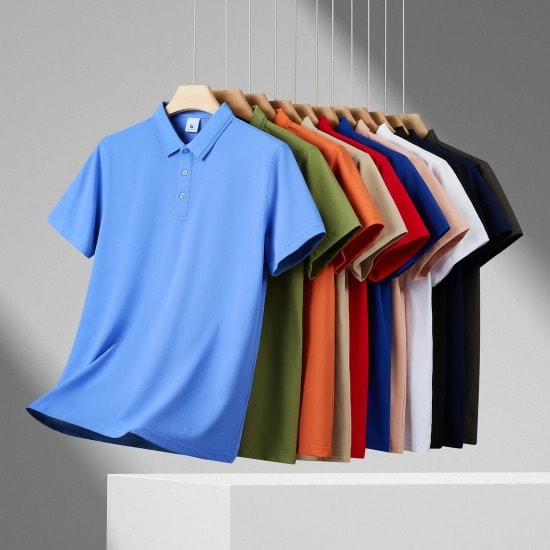
Polo shirts remain the gold standard, offering the perfect balance of formality and functionality. Look for options with reinforced seams, fade-resistant colors, and breathable synthetic blends that maintain their shape after multiple washes. Mock-neck tops provide collar-equivalent coverage while offering superior sun protection for neck and shoulders.
Performance button-downs work well for cooler conditions or more formal courses, featuring wrinkle-resistant fabrics and strategic ventilation panels. Avoid tops with large graphics, controversial messaging, or overly casual styling that might draw unwanted attention from course staff.
What Bottoms Pass Every Dress Code?
Tailored golf pants, knee-length shorts, and golf-specific skirts or skorts consistently meet dress code requirements across all course types. These bottoms should fit comfortably without being too loose or tight, feature classic colors like navy, khaki, black, or gray, and include performance elements like stretch waistbands and moisture-wicking fabrics.
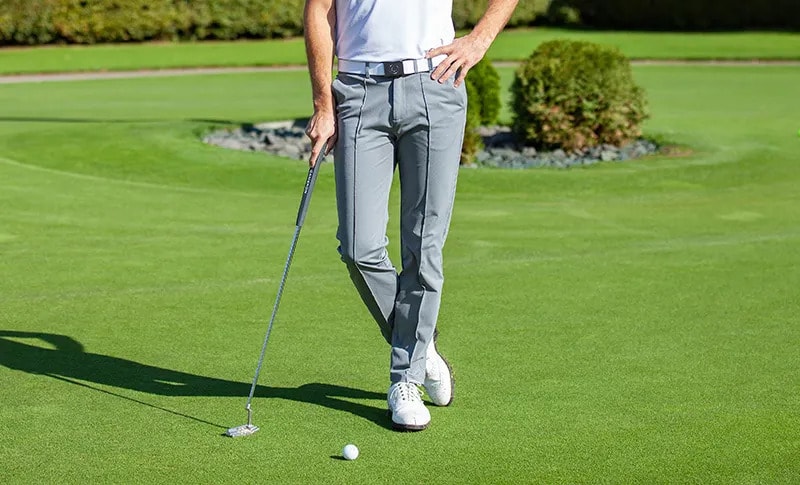
Golf pants offer the most versatility, working in all weather conditions and course settings. Choose options with flat-front styling, appropriate rise height, and subtle details like reinforced knees or ball marker loops. Four-way stretch fabrics provide maximum mobility during the golf swing while maintaining a polished appearance.
Shorts should extend to at least mid-thigh length, typically measuring 7-9 inches for men and 15-17 inches for women. Avoid cargo pockets, athletic styling, or overly casual materials that might violate course standards. Golf skirts and skorts should include built-in shorts for modesty and comfort during play.
What Footwear and Accessories Complete a Compliant Outfit?
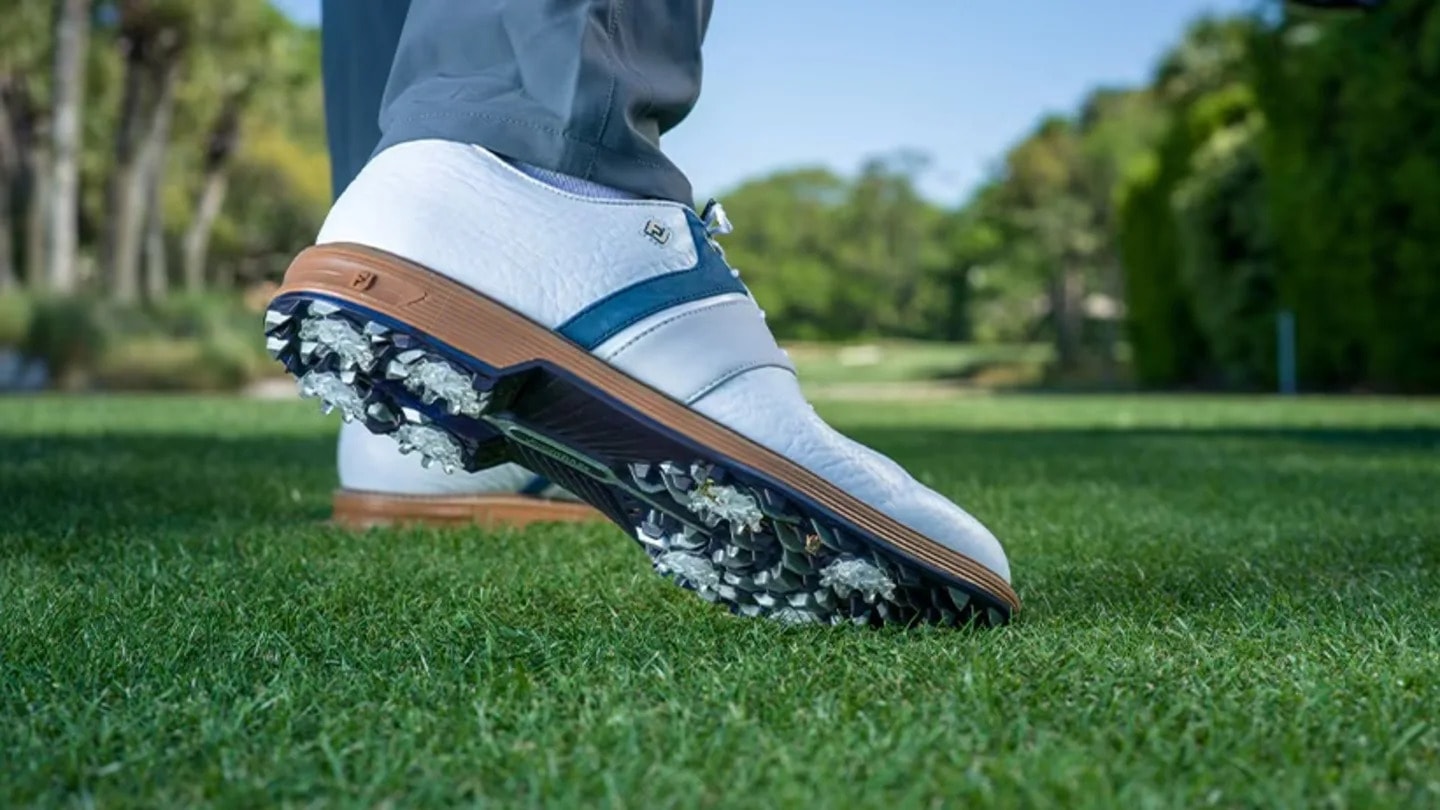
Golf shoes with soft spikes or spikeless soles, paired with appropriate socks, belts, and headwear, complete a dress code-compliant outfit while enhancing on-course performance. These accessories should complement your outfit’s color scheme while providing functional benefits like improved traction, sun protection, and comfort during long rounds.
Golf shoes represent the most critical accessory choice, as many courses strictly prohibit street shoes, sandals, or inappropriate footwear on playing surfaces. Spikeless options offer versatility for clubhouse areas while providing adequate traction, while soft-spike shoes deliver maximum grip in challenging conditions.
Leather or fabric belts in coordinating colors add polish to your outfit while serving practical purposes like holding scorecards and tees. Golf caps or visors protect against sun exposure while maintaining traditional styling, though remember to remove hats in clubhouse dining areas as a courtesy.
What Items Should You Avoid Wearing to Golf Courses?
There are three main categories of prohibited items: overly casual tops, streetwear/denim bottoms, and non-golf footwear, based on common course bans that violate traditional golf standards. Understanding these restrictions prevents awkward pro-shop detours and ensures you won’t be turned away at check-in.
Prohibited items typically fall into categories of overly casual clothing, athletic wear not designed for golf, and footwear that could damage course surfaces or pose safety risks. Modern courses may show flexibility with certain athletic items, but traditional restrictions remain standard across most facilities.
Which Tops and Outerwear Are Commonly Prohibited?
Commonly prohibited tops include T-shirts without collars, tank tops, muscle shirts, and sometimes hoodies; also avoid overly graphic or revealing designs that conflict with golf’s traditional formality. These items lack the traditional aesthetic and functional design expected in golf settings.
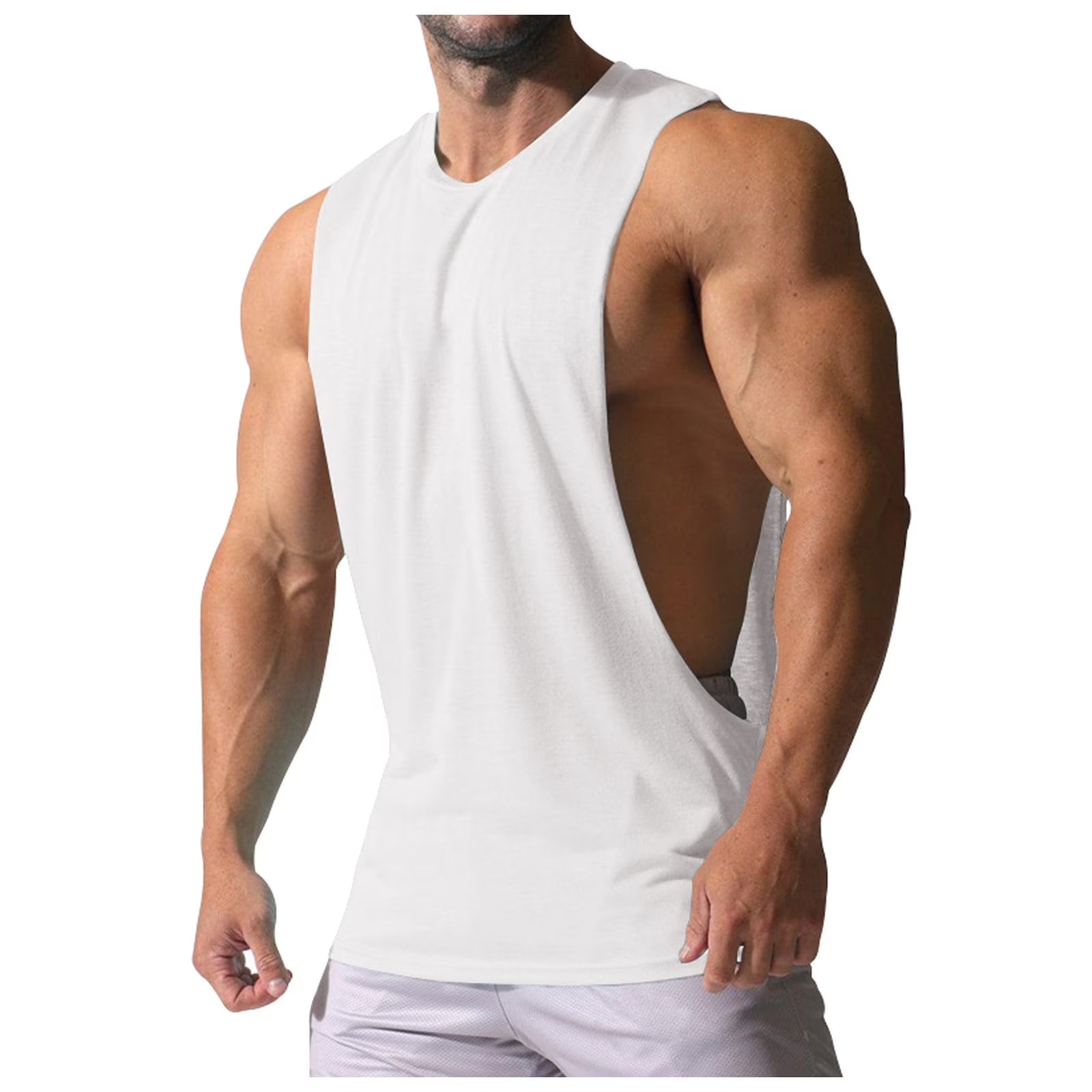
Sleeveless tops present particular challenges, as policies vary significantly between courses and genders. Many courses prohibit sleeveless options entirely, while others allow sleeveless tops for women but require sleeves for men. When in doubt, choose tops with at least short sleeves to ensure universal acceptance.
Graphic t-shirts, band merchandise, or clothing with controversial messaging should always be avoided, regardless of collar presence. Outerwear like hoodies may be acceptable for weather protection during play but often requires removal in clubhouse areas.
What Bottoms and Footwear Will Get You Turned Away?
Jeans, cargo pants, sweatpants, athletic shorts, sandals, and metal spikes are often barred, especially on private and resort courses. These items violate traditional golf standards and may pose safety concerns during play.

Jeans represent the most commonly violated dress code item, as their casual nature conflicts with golf’s traditional formality. Even designer jeans or “golf jeans” may face restrictions at conservative courses, making tailored golf pants the safer choice for universal acceptance.
Footwear violations include any shoes without proper traction, open-toe options that pose safety risks, or boots designed for other activities. Metal spikes, while once standard, are now prohibited at many courses due to green damage concerns, making soft spikes or spikeless options the preferred choice.
Are Modern Athletic Items Like Joggers and Leggings Acceptable?
Modern athletic items like joggers and leggings face mixed acceptance depending on course policies, with golf-specific athletic wear generally receiving better reception than general fitness clothing. Progressive courses may accept high-quality athletic pieces that maintain appropriate coverage and professional appearance, while traditional facilities typically maintain stricter standards.
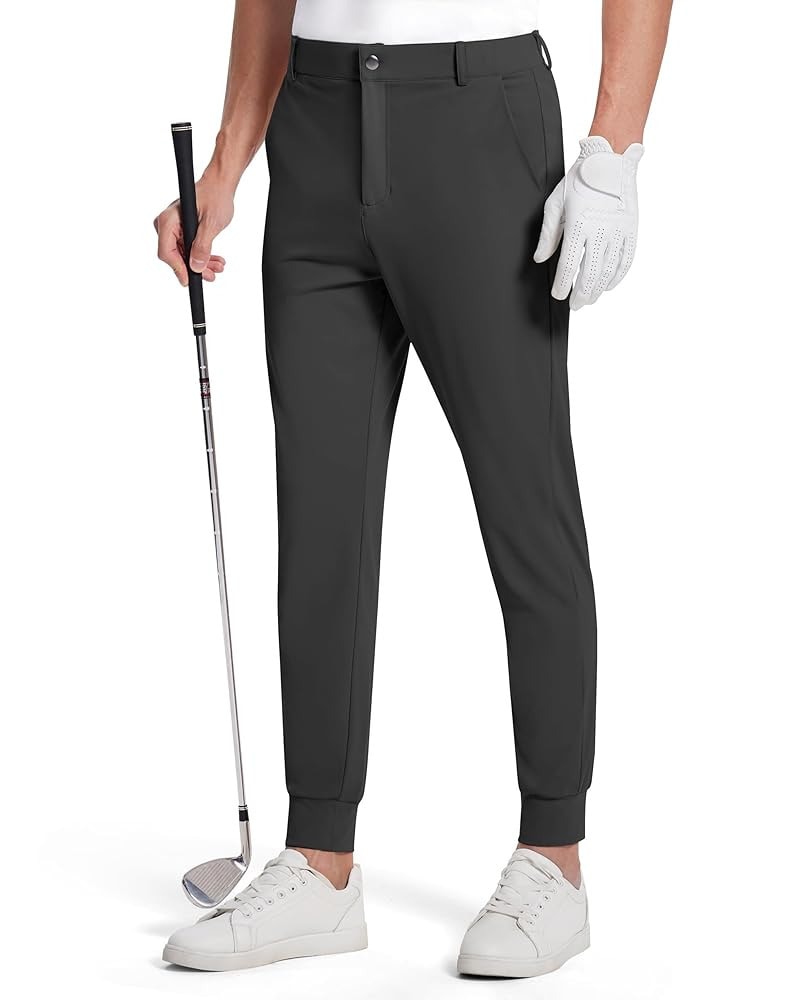
Golf-specific joggers designed with performance fabrics and tailored fits often gain acceptance where general athletic wear would be prohibited. The key distinction lies in styling details like tapered legs, minimal branding, and colors that complement traditional golf aesthetics rather than gym-focused designs.
Leggings present particular challenges, as most courses require them to be worn under shorts, skirts, or as base layers rather than standalone bottoms. Women’s golf leggings with longer tops or tunic-style shirts may gain acceptance, but policies vary significantly between facilities, making advance verification essential.
How Does Golf Attire Differ by Course Type and Setting?
Private clubs require the most formal attire, public/municipal courses are most relaxed, and resort courses sit in between, while clubhouses can have stricter indoor rules than course play areas. Understanding these distinctions helps you select appropriate attire that matches each facility’s specific culture and requirements.
Course type directly influences dress code enforcement intensity, acceptable clothing options, and consequences for violations. Private clubs often maintain year-round standards regardless of weather, while public courses may show seasonal flexibility in their policies.
What’s the Difference Between Private, Public, and Resort Course Dress Codes?
Private clubs typically enforce the strictest dress codes requiring collared shirts, tailored pants or appropriate-length shorts, and leather golf shoes, often prohibiting denim entirely and maintaining formal clubhouse standards. Public courses generally accept golf-appropriate attire with more flexibility on colors, patterns, and modern athletic wear, while still requiring basic standards like collared tops and appropriate footwear.
Resort courses aim for upscale casual standards that accommodate traveling guests while maintaining sophisticated atmosphere, often accepting golf-specific athletic wear and showing flexibility with footwear options. These facilities typically provide clear dress code communication during booking and offer pro shop solutions for guests with inappropriate attire.
Municipal courses usually enforce minimal dress code requirements focused primarily on safety and basic appropriateness, accepting a wider range of clothing options while still prohibiting obviously inappropriate items like swimwear or work clothes.
Do Clubhouse and Dining Areas Have Different Requirements?
Yes, many clubhouses enforce stricter rules because dining areas aim for smart-casual standards and traditional etiquette expectations that create comfortable environments for all members and guests. Indoor standards reflect traditional etiquette expectations and create comfortable dining environments for all patrons.

Many facilities require players to change from golf shoes to street shoes before entering dining areas, while others provide shoe covers or designated areas for golf shoe wear. Hats and visors should always be removed in indoor dining spaces as a basic courtesy, though they may be acceptable in casual grill areas.
Some upscale clubs maintain jacket requirements for formal dining rooms, even requiring members and guests to keep spare jackets available for impromptu dining. Understanding these nuances prevents uncomfortable situations and demonstrates proper golf etiquette knowledge.
How Should You Dress for Different Weather and Seasons?
There are three seasonal strategies: hot-weather cooling, cold/windy layering, and rain protection, based on climate demands that require balancing comfort, performance, and traditional golf standards. Successful weather dressing involves strategic fabric choices and layering systems that adapt to changing conditions throughout your round.
Seasonal considerations extend beyond temperature to include factors like UV exposure, precipitation, wind conditions, and course maintenance schedules that might affect playing conditions and appropriate attire choices.
What Should You Wear for Hot and Humid Conditions?
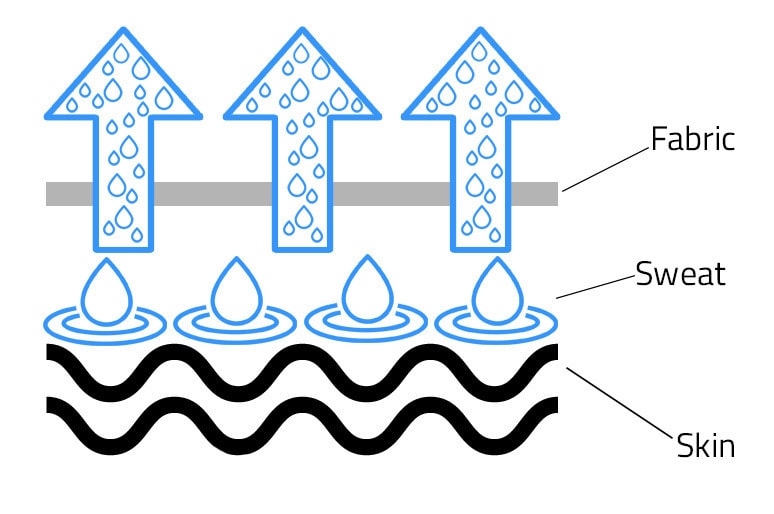
Choose lightweight, UPF-rated, moisture-wicking polos and bottoms in light colors, plus a breathable cap and cooling accessories to optimize comfort in challenging heat conditions. Performance textiles become critical in hot weather, as they move sweat away from skin and dry quickly between holes.
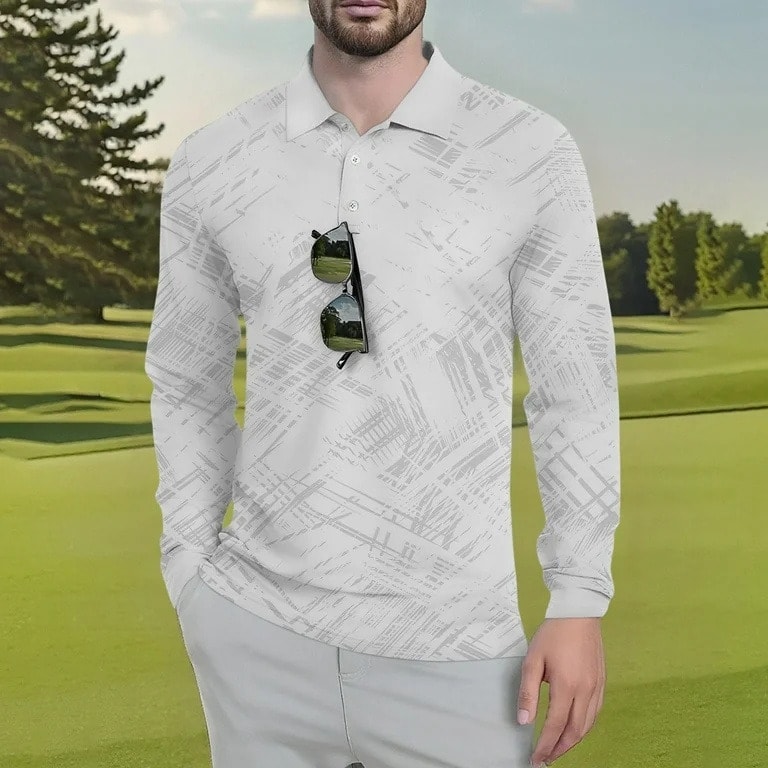
Light colors like white, light gray, and pale blue reflect heat more effectively than dark colors, while still maintaining professional golf appearance standards. UV protection becomes critical in hot conditions, making longer sleeves, pants, and wide-brim hats valuable additions despite higher temperatures.
Hydrate frequently, use sunscreen, and consider arm sleeves with UPF ratings for additional protection. Ventilated shoes and thin, moisture-wicking socks reduce heat buildup and prevent blisters during long rounds.
How Should You Layer for Cold, Wind, and Rain?
Use a three-layer system: wicking base, insulating mid-layer, and wind/water-resistant shell to stay warm and dry while maintaining swing mobility. This systematic approach allows you to add or remove layers as conditions change, maintaining core body temperature and mobility for your swing.
Base layers should fit snugly without restricting movement, featuring flat seams that prevent chafing during the golf swing. Merino wool offers natural odor resistance and temperature regulation, while synthetic options provide faster drying and easier care.
Mid-layers like golf vests, quarter-zip pullovers, or lightweight sweaters provide insulation while allowing easy adjustment as conditions change throughout the round. Choose options with stretch panels or golf-specific cuts that accommodate full swing motion without binding or shifting.
Which Fabric Technologies Improve Comfort and Performance?
Performance textiles include moisture-wicking polyester/nylon for sweat management, elastane for stretch, membranes like Gore-Tex for rain protection, and brushed knits for insulation that significantly enhance golf comfort compared to traditional cotton options. These innovations maintain traditional golf aesthetics while providing functional benefits that improve focus and endurance during play.
Moisture-wicking fabrics use synthetic fibers or specially treated natural materials to move perspiration away from skin, preventing the clammy feeling that can distract from your game. Four-way stretch fabrics provide unrestricted movement in all directions, crucial for the complex motions involved in the golf swing.
Temperature-regulating technologies use phase-change materials or specialized fiber structures to help maintain optimal body temperature in varying conditions. Some fabrics provide cooling effects in hot weather while offering insulation in cooler conditions, adapting to your body’s needs throughout the round.
Are There Specific Dress Code Differences for Men and Women?
Men’s attire skews to collared shirts and trousers/shorts, while women have more top and skirt/dress options but with length and coverage guidelines that maintain appropriate standards. However, modern clubs increasingly emphasize fit, function, and modesty over strict gendered rules, though variations remain between traditional and progressive facilities.
Understanding these distinctions helps avoid confusion and ensures appropriate attire selection regardless of the course’s policy approach. Some traditional clubs maintain strict gender-specific requirements, while progressive facilities focus on overall appropriateness and comfort.
What Are the Key Requirements for Men’s Golf Attire?
Men typically need collared polos, tailored pants or knee-length shorts, compliant golf shoes, and a neat belt-and-tuck presentation that maintains traditional masculine golf aesthetics. Most courses prohibit tank tops, require sleeves on all tops, and expect pants or shorts to fit properly without being too loose or tight.

Collared requirements remain nearly universal for men across all course types, with polo shirts representing the most accepted option. Mock-neck tops gain increasing acceptance as collar alternatives, while button-down golf shirts work well for cooler conditions or more formal settings.
Short length requirements typically specify inseams between 7-9 inches, ensuring appropriate coverage while allowing comfortable movement. Cargo shorts with excessive pockets generally face prohibition, while tailored golf shorts with minimal, functional pockets meet most dress code standards.
How Do Women’s Golf Dress Standards Compare?
Women’s standards allow sleeveless collared tops, performance skorts/skirts/dresses with appropriate length, and compliant shoes; deep V-necks or ultra-short hems are discouraged to maintain appropriate coverage standards. However, length requirements for skirts, shorts, and dresses typically specify modest coverage that ensures comfort and appropriateness during play.

Sleeveless tops present the most significant difference in gender-specific policies, with many courses accepting sleeveless options for women while requiring sleeves for men. Tank tops and revealing styles remain prohibited, but golf-specific sleeveless tops with appropriate coverage often gain acceptance.
Skirt and dress length requirements typically specify coverage to mid-thigh or longer, with built-in shorts or compression shorts required for modesty and comfort during play. Golf-specific dresses combine style with functionality, featuring stretch fabrics and thoughtful design details that accommodate the golf swing.
How Can You Verify Dress Code Requirements Before Playing?
Dress code verification involves three steps: check the course website, confirm via booking or email, and call the pro shop if unclear to reduce surprises and help you pack backups or plan pro-shop purchases if needed. This proactive approach prevents embarrassing situations and ensures smooth check-in processes, especially when playing unfamiliar courses or traveling to new destinations.
Most courses provide dress code information through multiple channels, making verification straightforward for prepared golfers. However, policies can change seasonally or for special events, making direct contact the most reliable verification method for current requirements.
Where Should You Check for Official Dress Code Policies?
Start with the course’s website (About, Guest Info, or Policies), then your tee-time confirmation, and finally the pro shop for clarifications about gray areas like joggers/hoodies, spike rules, and clubhouse-specific attire. Course websites typically provide general guidelines, while pro shop staff can clarify specific questions about acceptable items or seasonal policy variations.
Social media pages and review sites sometimes provide insights into actual enforcement practices, though official sources remain more reliable for policy verification. Golf course management software often includes dress code reminders in booking confirmations, providing convenient policy review opportunities.
Professional golf associations and course directories sometimes maintain dress code databases, though individual course policies may vary from general standards. When in doubt, conservative choices based on traditional golf standards typically ensure acceptance across most facilities.
What Should You Do If Your Outfit Doesn’t Meet Requirements?
Yes, you can usually resolve dress code issues quickly by buying or borrowing compliant items from the pro shop, using backups, or adjusting layers to meet requirements. Many facilities maintain loaner clothing programs for common violations, while others require purchases from their retail inventory.
Carry a spare polo, belt, and neutral pants in your car for emergency situations. Course staff typically appreciate cooperative attitudes and may offer helpful suggestions or flexibility when approached respectfully about policy compliance.
Graceful violation recovery involves accepting course policies respectfully, purchasing or renting required items without complaint, and learning from the experience to prevent future issues. Planning backup options prevents costly pro shop purchases and ensures your tee time remains intact.
How Can You Build and Maintain a Complete Golf Wardrobe?
A durable golf wardrobe involves strategic basics, sensible budgeting, proper care, and versatile travel pieces for different climates that provide confidence, comfort, and style while ensuring dress code compliance in any situation. Successful wardrobe building balances quality investments with budget considerations, focusing on versatile pieces that mix and match effectively while providing durability for regular play.
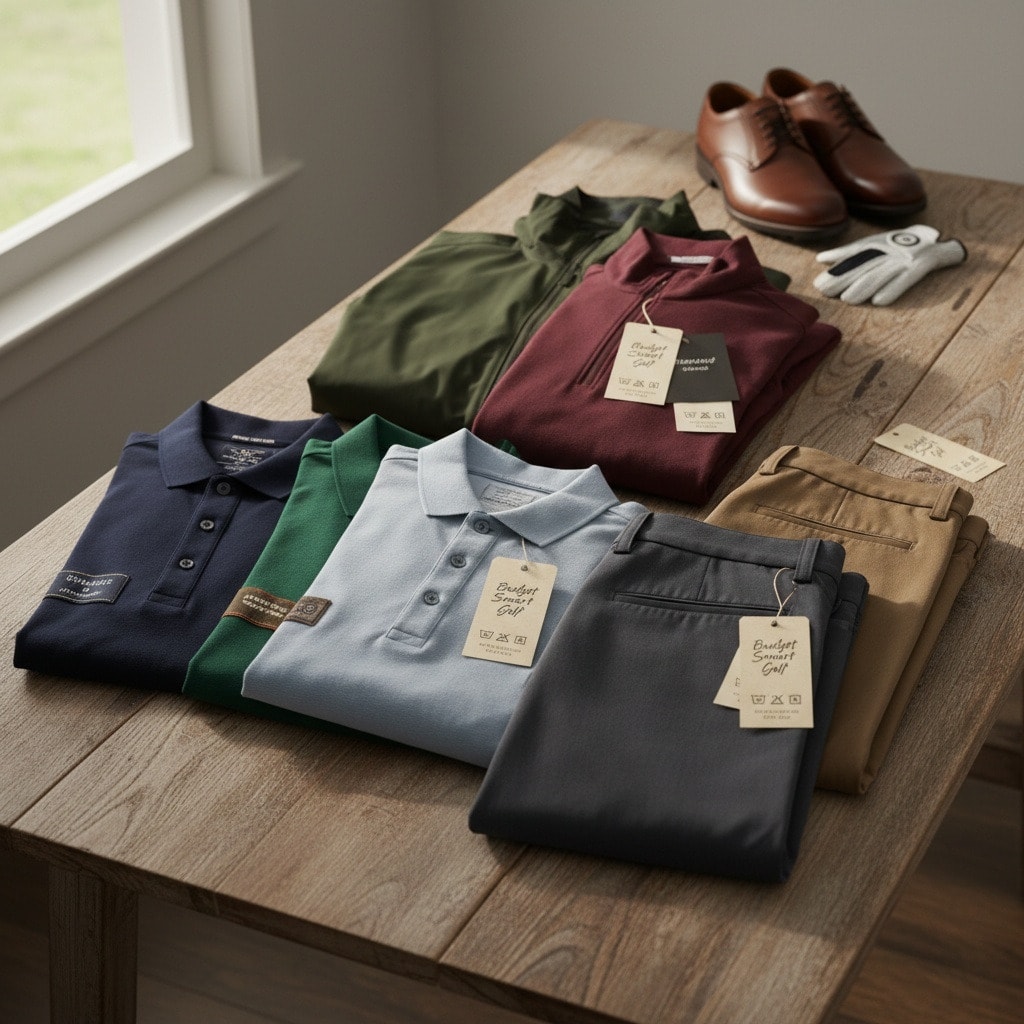
Think capsule wardrobe approach: 3 polos, 1 pant, 1 short/skort, 1 mid-layer, 1 shell, 1 pair of shoes, and core accessories that create multiple outfit combinations through strategic color coordination and versatile styling.
What’s a Realistic Budget for Golf Attire at Different Levels?
There are three budget tiers: starter ($300-500), mid-tier ($800-1200), and premium ($2000+), based on material technology, brand positioning, and feature complexity. Starter budgets should prioritize essential compliance items, mid-tier investments add performance fabrics and weather options, while premium wardrobes include luxury brands and specialized performance gear.
Budget allocation should prioritize essential items first, with quality golf shoes representing the most important single investment due to their impact on comfort and performance. Polo shirts and basic pants form the foundation, while specialty items like rain gear and cold weather layers can be added gradually.
Cost-per-wear analysis helps justify higher-quality pieces for frequent players, as durable performance fabrics and construction provide better long-term value than cheaper alternatives that require frequent replacement.
How Should You Care for Golf Clothing and Shoes?
Group care into washing performance fabrics cool without fabric softeners, treating stains promptly, reproofing waterproof items seasonally, and maintaining shoes through regular cleaning and conditioning. Performance fabrics require gentle care to maintain moisture-wicking properties and stretch characteristics that enhance on-course comfort.
Fabric softeners can clog the microscopic pores in moisture-wicking fabrics, reducing their effectiveness over time. Cold water washing preserves fabric colors and prevents shrinkage, while air-drying maintains fabric elasticity and prevents heat damage from dryers.

Golf shoe maintenance includes cleaning after each round, rotating pairs to allow complete drying, and conditioning leather regularly to prevent cracking and water damage. Spike replacement and sole cleaning maintain traction and course compliance, while proper storage prevents deformation and premature wear.
Which Golf Apparel Brands Offer the Best Value and Style?
Value-focused brands excel at basics, performance labels lead in fabric technology, and luxury houses emphasize tailoring and style, with the best choice depending on your priorities, frequency of play, and budget considerations. Traditional golf brands like Polo Ralph Lauren and FootJoy offer reliable quality and classic styling, while athletic brands like Nike and Under Armour provide technical innovations at competitive prices.
Match brands to needs: durability for frequent play, stretch for mobility, and timeless colors for versatility across different course types. Some brands excel in specific categories, such as FootJoy for shoes or Patagonia for weather protection, making targeted purchases more effective than single-brand wardrobes.
Emerging direct-to-consumer brands often provide premium quality at reduced prices by eliminating retail markups, while established brands offer extensive size ranges and proven performance records that justify their market positions.
How Do You Pack Golf Attire for Travel and Tournaments?
Packing well involves capsule selection, wrinkle-resistant fabrics, and layering for expected climates through strategic color coordination and versatile pieces. Roll polos, use packing cubes, and bring a compact shell while planning one “smart casual” outfit for clubhouse dining requirements.
Capsule wardrobe strategies focus on neutral colors like navy, white, gray, and khaki that coordinate easily, allowing 3-4 tops and 2-3 bottoms to create multiple outfit combinations. Rolling clothes instead of folding saves space and reduces wrinkles, while packing cubes organize items efficiently.
Climate research helps determine appropriate fabric weights and weather protection needs, while backup outfit planning ensures tournament compliance even if luggage is delayed. Consider shipping golf attire separately for important tournaments to guarantee arrival and reduce travel stress.
What Special Accommodations Exist for Unique Needs?
Adaptive and inclusive golf wear includes maternity options, modest attire for religious requirements, and medical accommodations designed to align with dress codes while meeting individual needs. Most clubs will work with reasonable accommodations when approached respectfully with advance notice and appropriate documentation.
Religious accommodations often involve longer sleeves, full coverage options, and headwear policies that respect cultural requirements while maintaining golf appropriateness. Many courses show flexibility with religious dress requirements when approached respectfully and in advance.
Size inclusivity has improved significantly across golf apparel brands, with extended size ranges and inclusive design approaches that provide proper fit and style options for all body types. Adaptive features help golfers with physical challenges maintain independence and confidence on the course while meeting dress code requirements.
In summary, successful golf attire selection combines traditional standards with modern performance features, adapts to course types and weather conditions, and maintains respect for golf’s heritage while ensuring your comfort and confidence on the course. Use collared performance tops, tailored bottoms, and compliant golf shoes as your baseline, verify course policies in advance, and build a versatile capsule wardrobe that works anywhere you play.
Get instant access to the PDF version of this article with additional resources and insights.