
TL;DR
The fringe (apron) in golf is the narrow strip of grass around the green, part of the general area, where golfers can putt, chip, or bump-and-run.
Key Takeaways
- Fringe = Apron (same thing).
- Part of the general area, not the green.
- Shot options: putt, chip, hybrid bump-and-run.
- Common mistakes: overusing putter, decelerating chips, misjudging roll speed.
- Drills help build touch and confidence.
What Is the Fringe (Apron) in Golf?
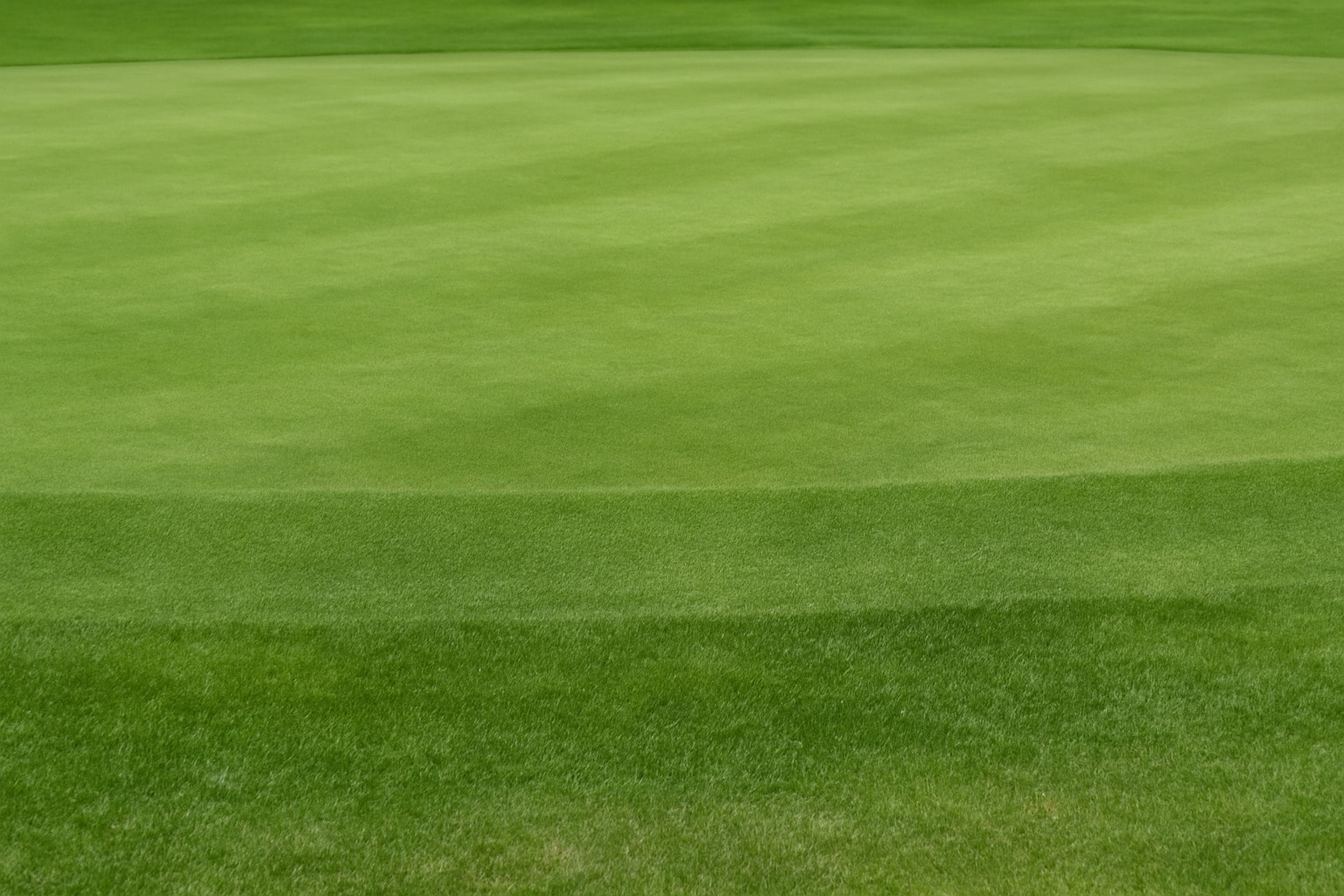
The fringe (or apron) in golf is the narrow band of closely mown grass that surrounds the putting green. It’s slightly longer than the grass on the green but shorter than the fairway, creating a smooth transition area between the two.
The fringe is not officially part of the green, but it plays an important role in short-game strategy. Golfers often face a choice here: putt through the fringe, chip over it, or use a hybrid/iron bump-and-run to get the ball rolling toward the hole.
Fringe vs Apron: Are They Different?
The terms fringe and apron in golf mean the same thing: the strip of grass surrounding the putting green, cut slightly higher than the green but lower than the fairway.
- Fringe: the more common modern term, especially in North America.
- Apron: a traditional term, still used by some courses, golfers, and commentators.
No matter which word you hear, they both describe the same area of turf around the green.
Rules of Golf on the Fringe
Under the Rules of Golf, the fringe (apron) is classified as part of the general area, not the putting green.
- Rule 2.2a (Areas of the Course) – The general area includes all parts of the course that are not the teeing area, a bunker, a penalty area, or the putting green. This means the fringe is always treated as general area.
- Rule 13.1 (Ball on the Putting Green) – Special permissions, such as repairing spike marks or automatically lifting and cleaning your ball, only apply when your ball is on the putting green. These do not apply if your ball is on the fringe.

What this means in play:
- You may putt, chip, or play any club from the fringe, but the ball is still considered in the general area.
- You cannot repair imperfections on the fringe in the same way you can on the green.
- Relief from immovable obstructions (like a sprinkler head) is taken under general area rules.
- The flagstick rule still applies: you may leave it in or remove it when playing from the fringe.
In short, the fringe plays like the general area, not the green, even if you choose to use a putter.
How to Play From the Fringe
From the fringe, golfers can choose to putt, chip with a wedge or short iron, or play a hybrid bump-and-run, depending on the lie and grass conditions.
- Putt from the fringe: Best when the grass is tight and smooth. The ball may roll a little slower, so adjust speed.
- Chip with a wedge or short iron: Useful when the ball is sitting down, the grass is uneven, or you need a touch of loft.
- Hybrid bump-and-run: A reliable option when you want the ball to stay low and roll consistently through the fringe.
Tip: Read the fringe carefully just like a green, grain, slope, and grass height can all affect how the ball rolls.

Common Mistakes on the Fringe
The most common mistakes on the fringe are overusing the putter, decelerating on chips, and misjudging roll speed.

Overusing the putter
Many golfers automatically reach for the putter when their ball is on the fringe, even if the grass is shaggy or the ball is sitting down. The result? The ball wobbles and dies before it reaches the hole. The fix is simple: if the lie looks messy, switch to a wedge or hybrid instead of forcing a putt.
Decelerating on chips
A common scene: a player sets up for a little chip, then gets nervous and slows the club down at impact. The ball either chunks short or rockets thin across the green. To avoid this, make a smooth, committed stroke, even on short chips, and trust that the club will do the work.
Misjudging roll speed
It looks close, so you give it a gentle tap, only to watch the ball fizzle out halfway to the hole. The fringe always takes a little energy out of the ball. To counter this, picture how the ball will roll once it reaches the green and add just enough extra pace to carry it through the fringe.
Drills to Improve Fringe Shots
The best drills for fringe play are the Putter-Chip Drill, Landing-Spot Drill, and Hybrid Bump-and-Run Practice. Each one builds touch, confidence, and smart club choice.
Putter-Chip Drill
Set a few balls just off the green and putt them as if they’re chips. This teaches you to adjust pace when the ball has to travel through thicker grass before reaching the smooth green.
Landing-Spot Drill
Place a tee or small marker a few feet onto the green. Chip from the fringe and try to land every ball exactly on that spot. This trains distance control and helps you focus on your target instead of just the hole.
Hybrid Bump-and-Run Practice
Take a hybrid or long iron and make a putting-style stroke from the fringe. The goal is a low shot that rolls most of the way. Practicing this option gives you another safe and reliable tool when the putter or wedge doesn’t feel right.

Tip: Rotate through all three drills in one practice session so you get comfortable choosing the right shot for each type of fringe lie.
FAQs about the Fringe (Apron) in Golf
Is the fringe considered part of the green?
No. Under the Rules of Golf, the fringe is part of the general area, not the putting green. That means you cannot automatically lift and clean your ball or repair imperfections like you can on the green.
Can you putt from the fringe?
Yes. You can always use a putter from the fringe, but the ball is still treated as being in the general area, not on the green.
What’s the difference between the fringe and the apron?
Nothing, they are two names for the same area. “Fringe” is more common today, while “apron” is the older term.
What club should I use from the fringe?
It depends on the lie and grass. A putter works well on tight, smooth grass. A wedge or short iron is better when the ball is sitting down. A hybrid bump-and-run is reliable for a low, rolling shot.
Does the fringe affect ball speed?
Yes. The slightly longer grass slows the ball compared to the green. Always add a touch of extra pace when putting or rolling the ball through the fringe.
Get instant access to the PDF version of this article with additional resources and insights.