
TL;DR – Fore in One Line
Fore is the golfer’s loud safety warning that a ball may hit someone
Key Takeaways
- Safety warning for stray shots
- Shout immediately after an offline hit
- Part of golf etiquette at every level
- Originates from 18th-century forecaddie and military calls
What Does “Fore” Mean in Golf?
“Fore” is a warning shout used in golf to tell people that a ball might hit them.
It’s a standard safety call that every golfer should use when their shot might endanger others.
“Fore” is used for:
- A loud warning to alert others that a ball is coming their way
- Typically shouted after a shot goes offline, off target, or into another fairway
- Used by all golfers, from beginners to professionals
The Purpose of Yelling “Fore”
- To protect other players, spectators, or course workers from injury
- To show respect and responsibility on the course
- Because it’s part of proper golf etiquette
- Not yelling it is considered careless and unsafe
Every golfer should use it, because safety always comes first in golf.
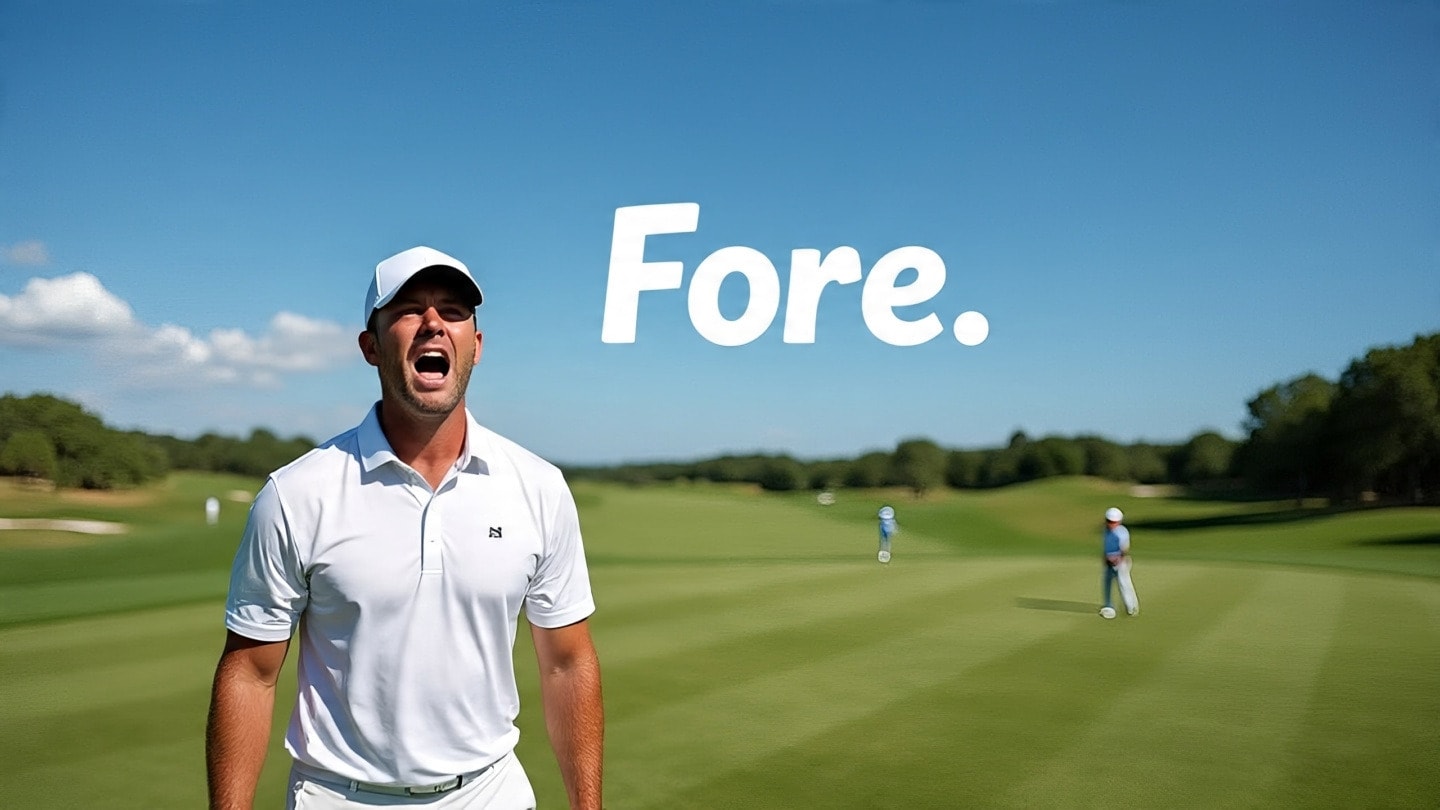
When Should You Yell Fore?
You should yell “fore” immediately after hitting a shot that might hit someone.
It’s your responsibility to warn others the moment your ball goes off target. Whether you’re a beginner or a pro, yelling “fore” is a must in these situations:
- Your shot is hooked or sliced toward another hole or group
- The ball heads into a nearby fairway, tee box, or green
- You hit a shank or mishit that could go toward people
- There’s a blind shot and you’re unsure where the ball will land
- The ball travels toward spectators, marshals, or course staff
- Wind or slope causes the ball to drift off your intended line
Always shout loudly and clearly, as soon as you realize the danger. A quick warning can make a big difference.
How to Yell Fore Effectively
To yell “fore” effectively, shout it loudly and immediately in the direction your ball is heading.
A proper warning only works if people can hear and react to it. Here’s how to do it right: shout as soon as possible, yell loudly and clearly, face the direction the ball is going, use directional cues like “fore left” or “fore right” when possible, and repeat the shout if needed, twice is better than not at all.
Even a quick shout can help prevent accidents, so don’t hesitate. Just yell it!
Where Did “Fore” Come From? Origins & History
The word “fore” has been shouted on golf courses for centuries, but where did it come from?
Most historians trace the term back to Scotland in the 18th century, when golf was still developing into the game we know today. Back then, golf balls were expensive and hard to track, so players would often hire a “forecaddie”, a person who walked ahead of the group to spot where the ball landed. To warn the forecaddie that a shot was coming, golfers would shout “fore!”,a quick and loud way of saying “look out ahead!”

Another theory links the term to the military, where artillery units would yell warnings like “beware before!” before firing. This phrase was likely shortened over time to just “fore,” especially as many early golfers also had military backgrounds.
No matter which story is true, or if both played a part, the meaning is the same: a loud warning to anyone ahead that a ball is coming fast.
Today, shouting “fore” is one of golf’s longest-standing traditions and remains a key part of the game’s culture, safety, and etiquette.
What Happens If You Don’t Yell Fore?
If you don’t yell “fore,” you risk injury, disrespect, penalties, and damage to your reputation.
Yelling “fore” isn’t just a courtesy, it’s a responsibility. Failing to give a proper warning can lead to serious consequences, both on and off the course:
- Someone could get hurt by your ball, even seriously
- You may be seen as careless or disrespectful by other players
- It can damage your reputation or relationships on the course
- In tournaments, it might result in a warning or penalty
- It reflects poor sportsmanship and a lack of awareness
Golf is built on honor, respect, and safety. Skipping a simple shout like “fore” can break all three.
Fore vs. Other Golf Warnings
“Fore” is the standard golf warning, while others like “heads up,” hand signals, and whistles are less formal, less effective, or used for different purposes.
Fore vs. “Heads Up” or “Watch Out”
- “Fore” is the correct and expected term in all levels of golf.
- “Heads up” and “watch out” are casual phrases not specific to golf.
- These informal warnings can be missed or misunderstood on the course.
Fore vs. Hand Signals
- “Fore” is a spoken warning, loud and immediate.
- Hand signals are visual aids used by caddies or marshals, mainly in tournaments.
- They help with direction but should never replace yelling “fore.”
Fore vs. Whistles or Horns
- “Fore” warns about a potentially dangerous shot.
- Whistles or horns are used by officials for emergencies, like weather delays.
- These alerts are not player-to-player warnings and serve a different role.
Bottom line: If there’s even a chance your ball might hit someone, don’t rely on signals or slang, yell “fore” loud and clear.
FAQs About Fore in Golf
What does yelling “fore” mean in golf?
It’s a warning shout to alert others that a golf ball is heading their way and may pose a danger.
Is it required to yell “fore”?
Yes, if your shot might hit someone, yelling “fore” is expected and part of proper golf etiquette.
When should I yell “fore”?
Immediately after hitting a shot that goes off target, especially if it’s heading toward other people.
Can I say “fore left” or “fore right”?
Yes, adding “left” or “right” helps people know where to look and improves safety.
What happens if I forget to yell “fore”?
You risk injuring someone and may be seen as careless or disrespectful. In competition, it could lead to penalties or warnings.
Get instant access to the PDF version of this article with additional resources and insights.