
TL;DR – Bogey in One Line
A bogey in golf means scoring one stroke over par, common for amateurs and key to smart, steady play.
Key Takeaways
- A bogey is one stroke over par on a hole.
- It’s a common, realistic score for most golfers.
- Tracking bogeys helps measure progress and consistency.
- Playing for bogey can be a smart, strategic choice.
- Even pros take bogeys to avoid bigger mistakes.
What Is Bogey?
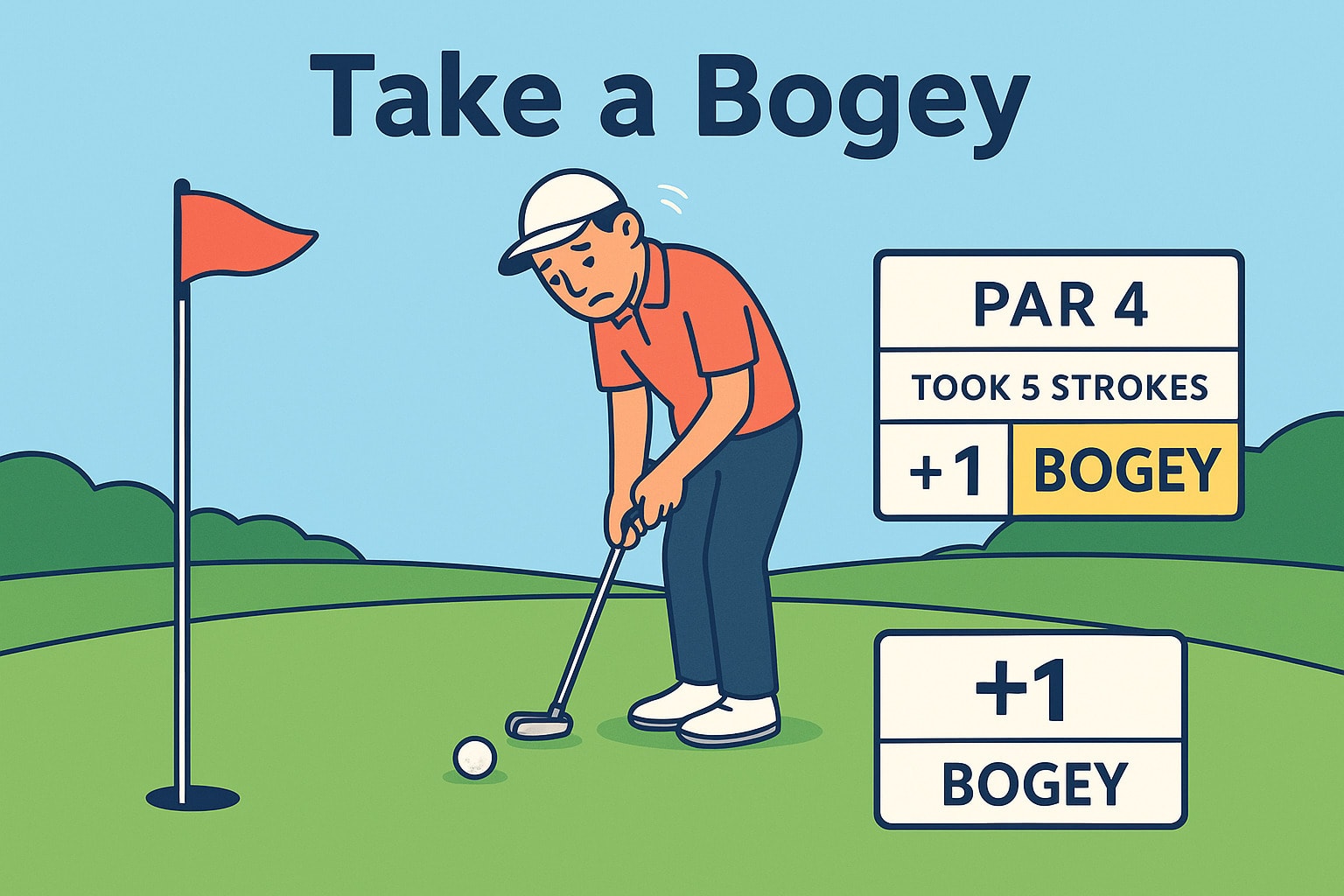
A bogey in golf means a player takes one stroke more than par to complete a hole. If a hole is a par 4, a bogey would be a score of 5. The concept applies across all hole types:
- Par 3 → Bogey is 4 strokes
- Par 4 → Bogey is 5 strokes
- Par 5 → Bogey is 6 strokes
While pros aim for birdies and pars, bogeys are a realistic and common score for most amateur golfers. In fact, many casual players set their goal to be a “bogey golfer” – someone who averages a bogey per hole, or a score of 90 on a par-72 course.
The term originated from the idea of chasing a mysterious “bogey man” or standard opponent in early golf scoring history.
Why Bogey Matters
A bogey matters because it shows how you’re playing, helps track your progress, affects your handicap, and teaches smart decisions on the course:
- It shows how you’re playing: Making bogeys means you’re avoiding big mistakes but still missing some opportunities, better than double bogeys, but not as strong as making pars.
- It helps track your progress: Tracking bogeys shows if your game is improving, fewer bogeys over time means better consistency, smarter decisions, and stronger overall play.
- It affects your handicap: Bogey scores are part of your round totals, which are used to calculate your scoring differential and update your official Handicap Index.
- It teaches smart decisions: Choosing to play safe and accept a bogey, rather than forcing risky shots, helps you avoid bigger mistakes like doubles or triples.
Even pro golfers sometimes “take a bogey” on purpose to avoid bigger mistakes
For example, Scheffler doesn’t chase birdies at all costs. He plays smart to minimize mistakes, taking a bogey when it’s the best way to stay in control and stay competitive.
How to Play a Bogey Hole Smartly
Playing for bogey means aiming for one-over-par in a controlled way. Here are 5 smart steps to do it right without risking big mistakes:
Step 1: Know the Par and Play Within Your Limits
Before the hole begins, understand what a bogey means (par + 1). If it’s a long par 4 or you’re in trouble off the tee, don’t force a perfect score, set a realistic goal.
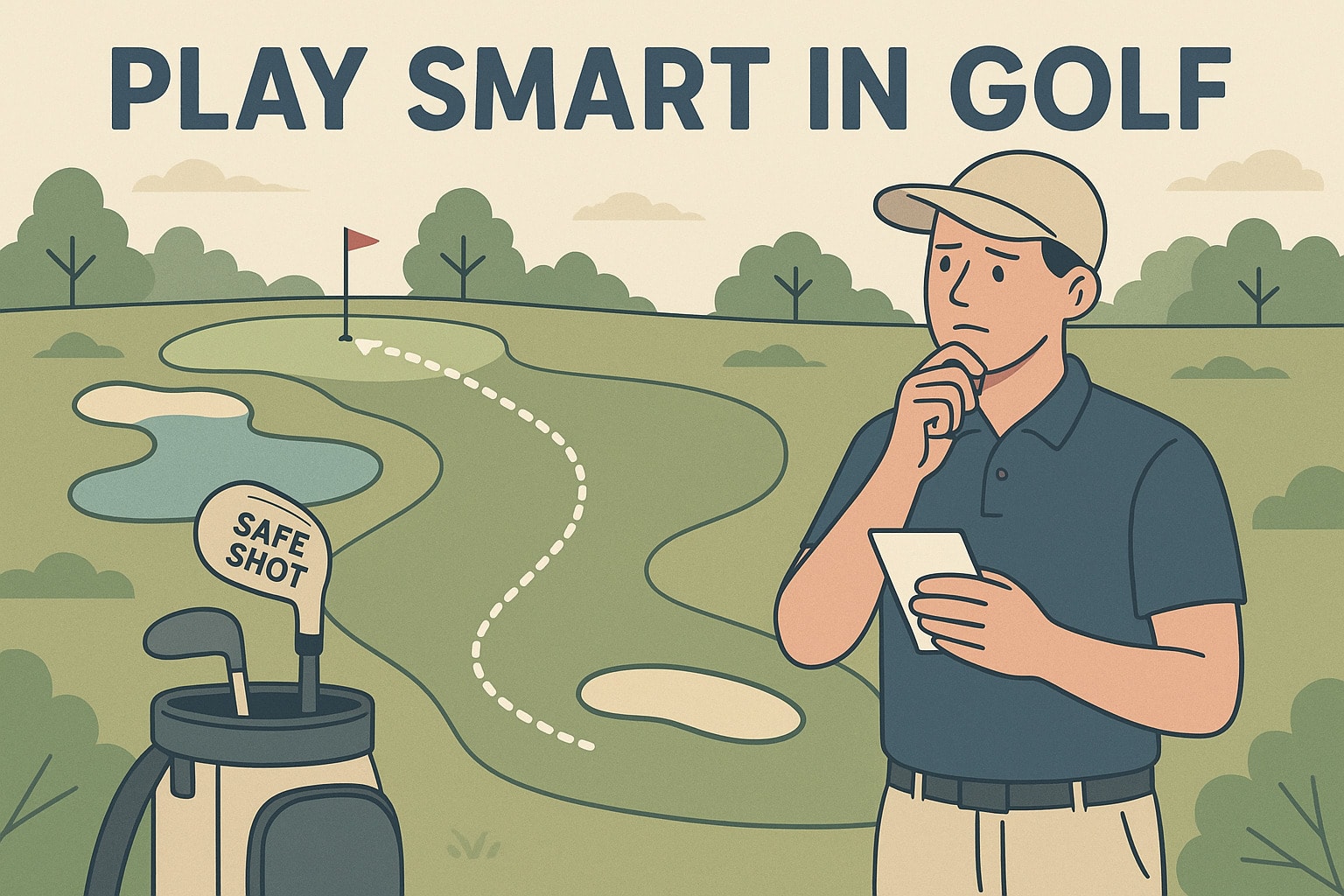
Step 2: Prioritize Safe Shots
Instead of going for risky carries or tight pin positions, aim for the center of the fairway and green. Avoid hazards and trouble spots, even if it means settling for a longer putt.
Step 3: Manage Recovery Wisely
If you hit a bad shot, don’t panic. Play the next shot to get back in position rather than gambling on a hero shot. Accept a bogey if it keeps a double or triple off the card.
Step 4: Putt with Control, Not Pressure
When putting for bogey, focus on solid contact and speed. You’re not trying to save par, you’re protecting your round. Two-putting from distance is a win here.
Step 5: Stay Mentally Composed
Treat bogey as part of your strategy, not a failure. If you planned for it, it’s a success. Reset on the next tee with confidence.
The key to playing a bogey hole smartly is knowing when to play safe, managing mistakes, and making steady decisions that protect your score.
Common Mistakes to Avoid
When playing for bogey, small errors in judgment can lead to big numbers. Here are common mistakes to watch out for, plus how to avoid them:
Forcing par from a bad position
Why it’s bad: Aggressive shots from trouble often lead to doubles or worse.How to avoid it: Take your medicine, chip out, recover smartly, and aim for bogey to keep your round intact.
Ignoring course management
Why it’s bad: Going for tight pins or hitting driver on narrow holes increases your chance of hitting hazards.How to avoid it: Aim for wide targets, avoid trouble spots, and focus on getting the ball back in play.
Letting one bad shot ruin the hole
Why it’s bad: Frustration leads to rushed decisions, which compound mistakes.How to avoid it: Stay calm, reset your mindset, and focus on the next shot with a clear plan.
Not knowing when to play safe
Why it’s bad: Taking unnecessary risks can turn a simple bogey into a disaster.How to avoid it: If the shot feels risky, it probably is—lay up or take the safer route when needed.
Giving up mentally
Why it’s bad: Viewing a bogey as a failure can affect the rest of your round.How to avoid it: Accept that bogeys are part of smart golf—stay positive and move forward with purpose.
Pro Tips & Drills
Playing smart for bogey is a skill, and like any skill, it can be practiced. These tips and drills will help you build consistency, manage pressure, and lower your scores over time.
Pro Tips
Pro tips like thinking strategically, tracking your bogeys, knowing your safest shots, and staying focused one hole at a time will help you play smarter and score more consistently.
Think like a caddie, not a hero
Make decisions based on risk and reward, not emotion. If par isn’t realistic, bogey is a smart win.
Track your bogeys per round
Use a scorecard or app to track how many bogeys you make. Fewer bogeys (and avoiding doubles) = progress.
Know your “safe shot” for every club
Learn which shots you can always rely on, especially off the tee and around trouble. Use them when things go sideways.
Play one hole at a time
Don’t dwell on trying to “make up” for a bogey. Good rounds are built with patience and smart recovery.
Practice Drills
Drills like the bogey benchmark, trouble recovery, and two-putt challenge will sharpen your decision-making, improve your control under pressure, and turn tough holes into manageable bogeys.
Bogey Benchmark Drill
Play 9 holes with a goal of bogey on every hole. Keep score and focus on smart decision-making, not hero shots.
Trouble Recovery Drill
Drop your ball in tough lies (trees, rough, bunker) and practice getting back to a safe spot in one shot.
Two-Putt Challenge
On the practice green, place balls at different distances and try to two-putt each one. A solid two-putt often turns a double into a bogey.
These tips and drills will help you treat bogeys as part of a winning strategy, not a mistake to fear. Building smarter habits and greater confidence on the course.
FAQs About Bogey
Is a bogey bad in golf?
Not at all, especially for amateur golfers. A bogey means you’re close to par and avoiding big mistakes. It’s a solid result for most players.
What’s the difference between a bogey and a double bogey?
A bogey is one stroke over par, while a double bogey is two strokes over par. For example, on a par 4:
- Bogey = 5 strokes
- Double bogey = 6 strokes
Can professional golfers make bogeys?
Yes, every pro does. Even the best players take bogeys when needed to avoid worse outcomes. It’s part of smart, strategic golf.
Get instant access to the PDF version of this article with additional resources and insights.