
TL;DR
Golf is more than a game, it’s a low-impact sport that improves heart health, burns calories, reduces stress, builds friendships, and even helps you live longer.
Key Takeaways
- Improves cardiovascular health, flexibility, and balance.
- Reduces stress, boosts focus, and supports brain health.
- Builds community, friendships, and networking opportunities.
- Lifelong, low-impact activity linked to longer life expectancy.
Physical Health Benefits of Golf
Golf helps your heart, muscles, flexibility, balance, and weight management, all in a low-impact way you can enjoy for life.
When you walk the course instead of riding a cart, you’re covering 4-6 miles, which gets your heart pumping and strengthens your cardiovascular system. As Harvard Health Publishing put it: “Playing 18 holes of golf, especially if you walk the course, may be even better for your heart than a brisk walk or Nordic walking.”
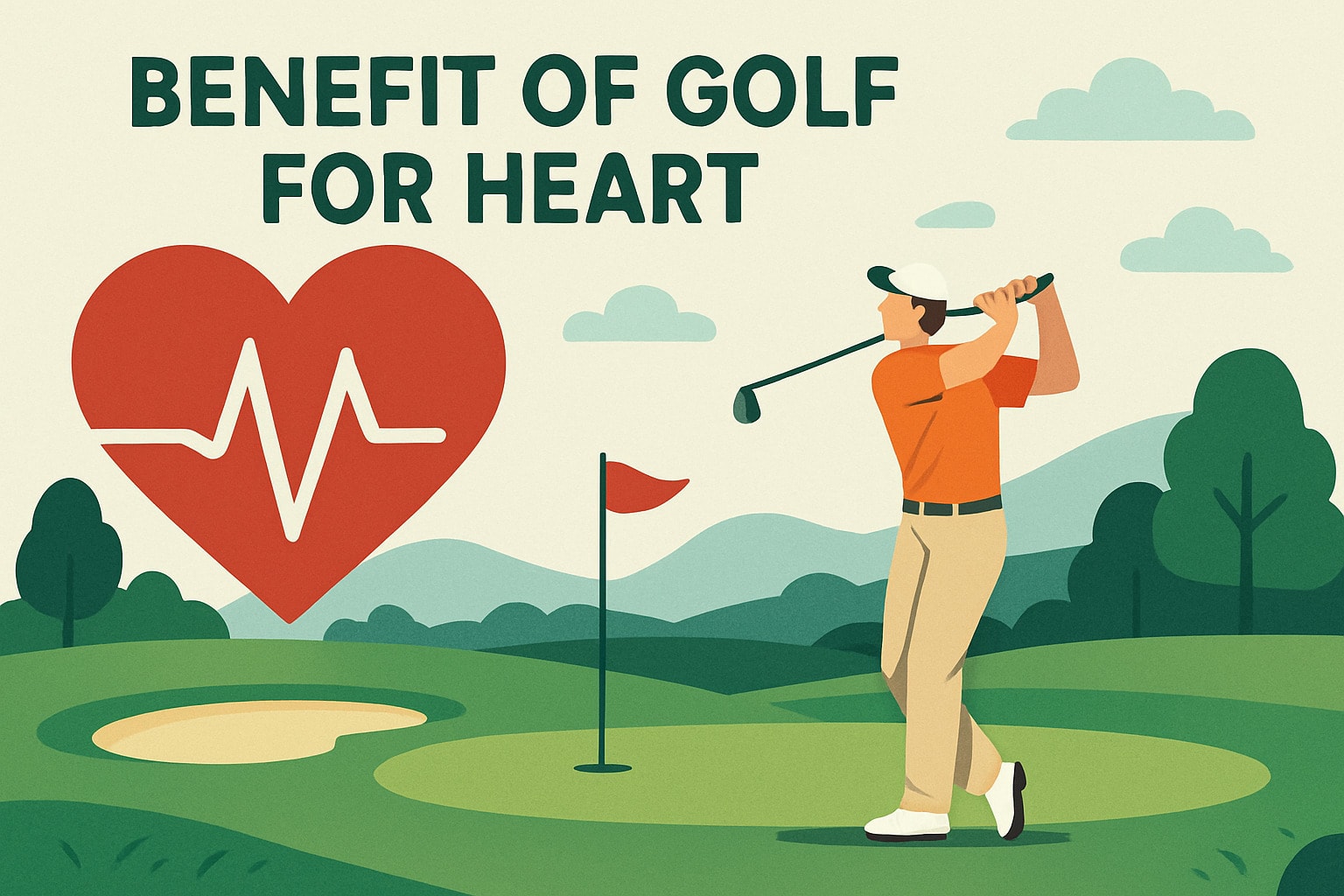
Every swing also works your core, legs, back, and arms, giving you a full-body workout without the grind of heavy gym sessions. On top of that, the game improves flexibility and balance because the swing requires rotation, stability, and coordination. Many golfers report better posture and mobility over time.
The calorie burn is also more than most people expect. According to Golf Monthly, “Golf burns 200-400 calories per hour, and a full round can see players burn between 1,200 and 2,000 calories if they walk the course.”
And perhaps the biggest surprise? Golf might even help you live longer. A study from the Scandinavian Journal of Medicine & Science in Sports found that “golfers have a 40% lower mortality rate than non-golfers, which corresponds to a five-year increase in life expectancy.”
Unlike running or contact sports, golf is gentle on the joints, which makes it perfect for seniors, beginners, or anyone recovering from injury. As researchers concluded, golf is “a low-risk, high-benefit form of physical activity that can be maintained across the lifespan.”
Mental Health Benefits of Golf
Golf supports your mind, focus, stress levels, and overall mental well-being—all while keeping you outdoors in a relaxing environment.
Spending time on the course reduces stress by surrounding you with nature and fresh air. As the World Golf Foundation noted: “Being outdoors in a green space is proven to reduce stress, enhance mood, and improve mental health.”
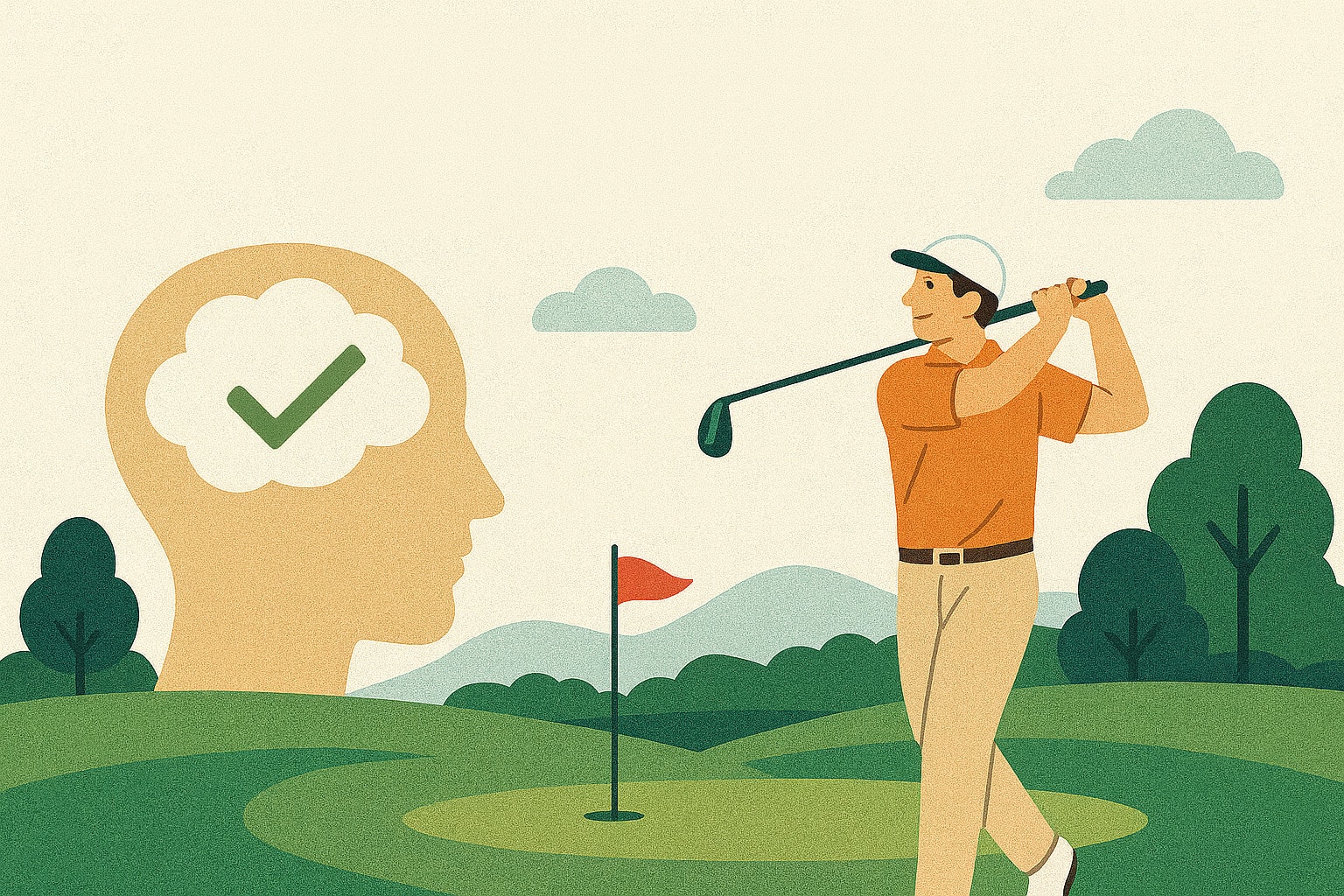
Golf also sharpens concentration and focus. Each shot requires strategy, calculation, and patience, which trains the brain to stay present. According to the R&A’s global golf and health report: “Golf can help improve confidence, self-esteem, and anxiety levels, while providing a mentally stimulating challenge.”
The sport is also linked with long-term brain health. A study in the British Journal of Sports Medicine found that regular physical activity like golf is associated with a lower risk of depression and cognitive decline. The researchers concluded that “golf provides a unique combination of walking, concentration, and social interaction that benefits mental health across the lifespan.”
And perhaps the best part? Golf’s social side strengthens its mental impact. The American Heart Association highlighted this by saying: “Golfers who played at least once a month had significantly lower death rates, partly because of the mental and social stimulation the sport provides.”
Golf is more than a workout for your body, it’s a therapy session for your mind.
Social Benefits of Playing Golf
Golf builds friendships, community, and networking opportunities, making it as good for your social life as it is for your health.
It’s one of the few sports where people of all ages and skill levels can play together. As the R&A’s Golf and Health project noted: “Golf can bring people of all ages and backgrounds together, providing a unique opportunity for social interaction and companionship.”
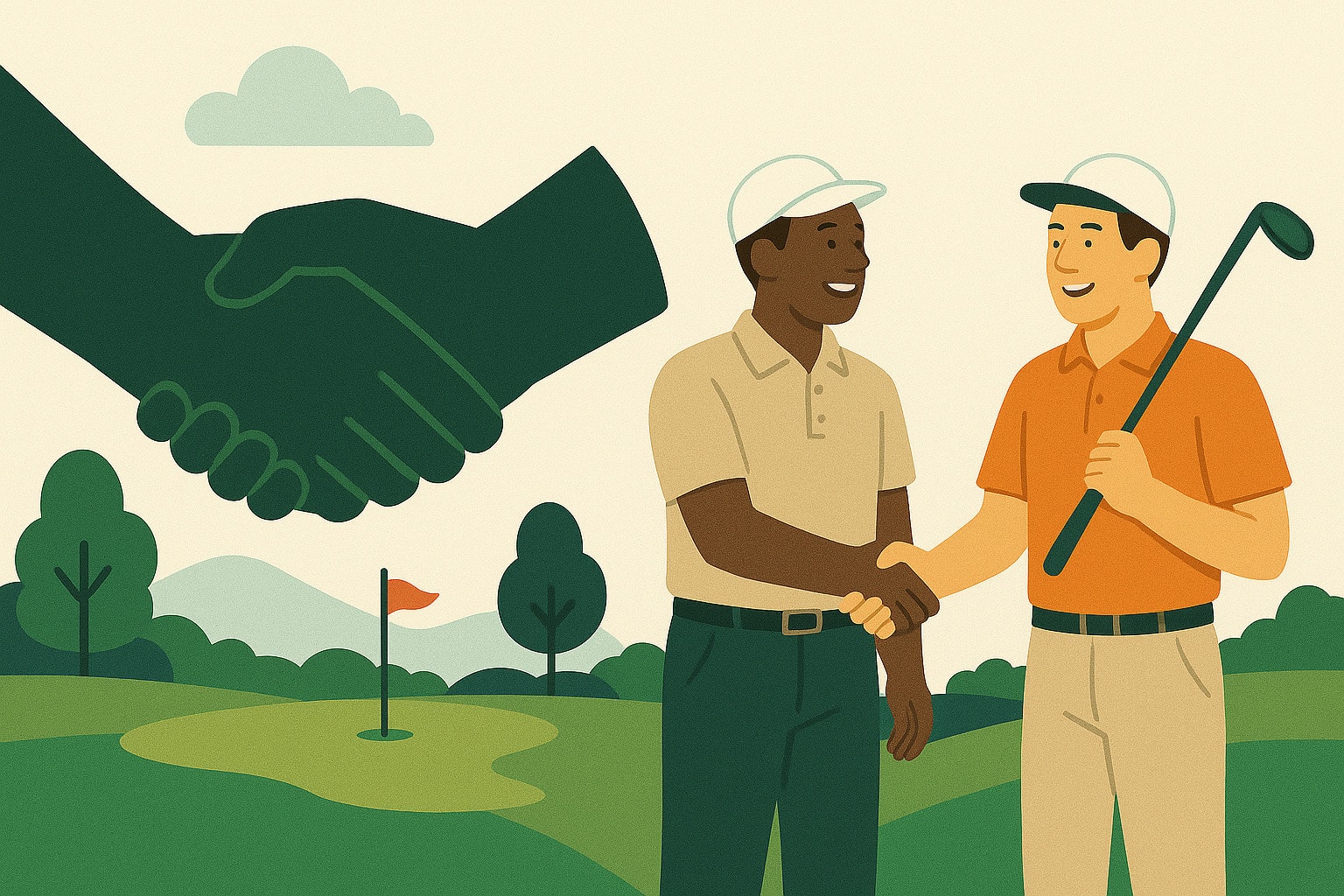
On the course, conversations flow naturally. Business deals, friendships, and even family bonding often happen while walking the fairways. The National Golf Foundation highlighted this by saying: “Golf is the ultimate relationship builder, offering more time for conversation and connection than almost any other sport.”
For seniors, golf provides structure and a sense of belonging. A feature in SFGate about the Tilden Park Seniors Golf Club explained: “The club gives older adults not only regular physical activity but also the vital social interaction that keeps them engaged and connected.”
Even at a global level, golf is recognized for its social power. The World Golf Foundation stated: “Golf contributes to a sense of community, reducing loneliness and supporting mental well-being through social engagement.”
In short, golf isn’t just about your scorecard, it’s about the people you share the round with.
Lifestyle Benefits of Golf
Golf fits into your lifestyle as a lifelong, low-impact activity that promotes outdoor living, travel, and even longevity.
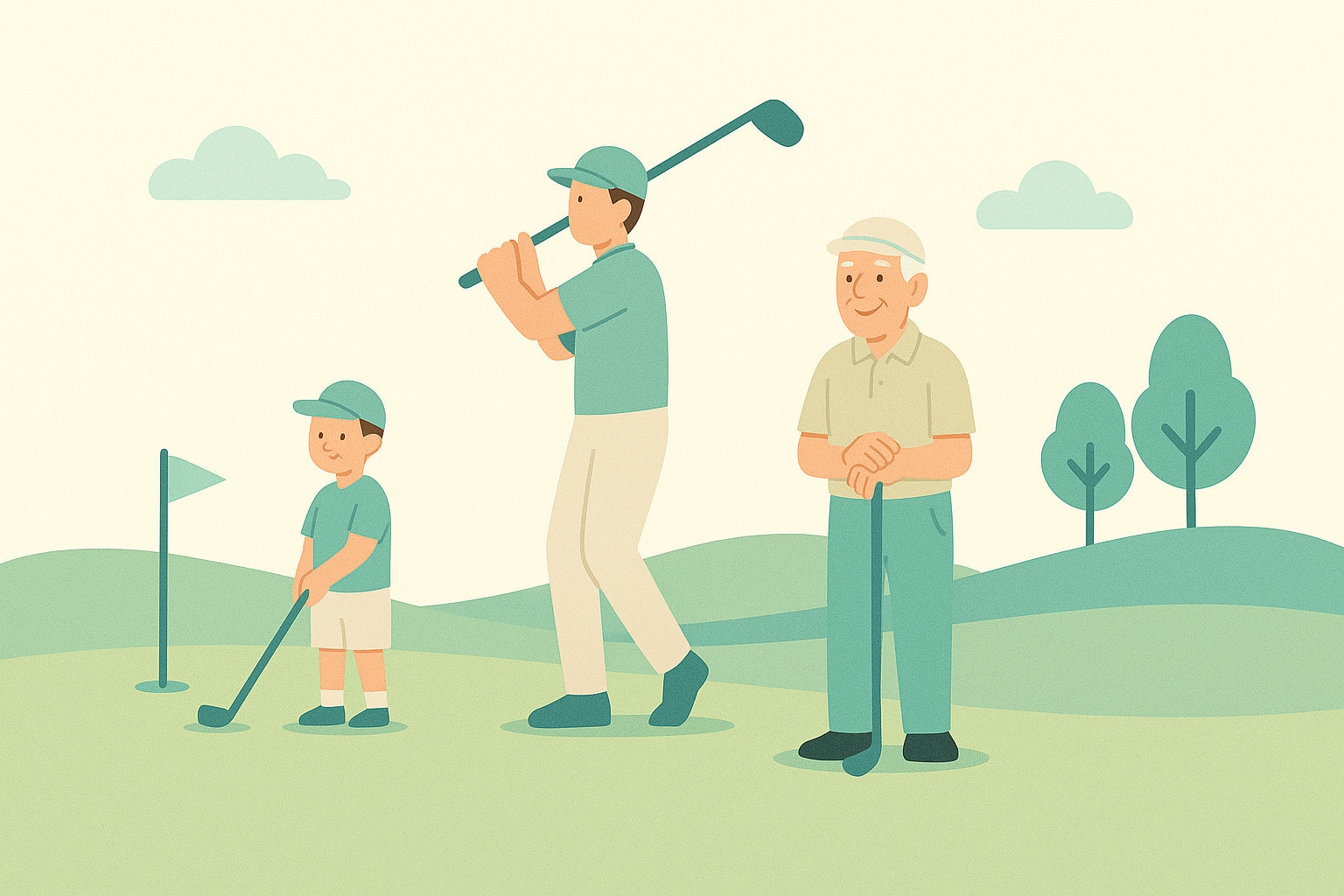
One of golf’s biggest perks is that you can play at almost any age. The World Golf Foundation explained it clearly: “Golf is a sport for life, offering physical activity and health benefits well into older age.”
Being outdoors is another lifestyle boost. Sunshine provides Vitamin D, which supports bone health and mood. As Golf Digest reported: “Golfers spend four to five hours outside per round, benefiting from fresh air, natural light, and time away from screens.”
Golf also encourages exploration. Many people travel locally and globally to play new courses. The National Golf Foundation noted: “Golf is unique in its ability to blend recreation, exercise, and tourism, driving players to seek out new destinations and experiences.”
And don’t overlook longevity. That Scandinavian study in the Journal of Medicine & Science in Sports found: “Golfers live, on average, five years longer than non-golfers, due in part to the social, physical, and lifestyle aspects of the game.”
Put simply, golf isn’t just a sport, it becomes part of your lifestyle, keeping you healthy, connected, and curious about the world.
How Golf Compares to Other Sports
Golf may not burn calories as fast as running or tennis, but it stands out for being low-impact, socially engaging, and linked with longer life expectancy. In this table, we’ll compare golf vs. running, tennis, cycling, and gym workouts across health and lifestyle benefits.
| Sport | Calories Burned (per hour) | Impact on Joints | Mental Benefits | Social Interaction | Longevity / Health Research |
|---|---|---|---|---|---|
| Golf | 200-400 per hour (1,200-2,000 per round if walking) | Low-impact, safe for seniors | Focus, patience, stress relief | High – 4+ hours of conversation & bonding | Golfers live ~5 years longer than non-golfers (Scandinavian Study) |
| Running | 500-900 (depends on pace) | High – heavy knee/hip impact | Clears mind, boosts endorphins | Low – usually solo | Strong heart health benefits, but injury risk |
| Tennis | 400-600 | Medium to high – quick pivots strain knees/ankles | Improves reflexes, strategy | Moderate – doubles = more social | Great cardio, but hard to sustain at older age |
| Cycling | 400-600 | Low-impact | Endurance, focus | Low to moderate – group rides help | Proven cardiovascular benefits |
| Gym/Weight Training | 300-600 (varies by workout) | Depends on form | Strength, confidence | Low – mostly solo | Excellent for strength, but less outdoor/lifestyle benefit |
Tips to Maximize Golf’s Health Benefits
You can make golf even healthier by focusing on how you play and prepare. Here are some simple ways to get the most out of every round:
- Walk the course: Instead of taking a cart, walk the fairways to turn your round into a real workout. Walking 18 holes covers 4-6 miles and can burn up to 2,000 calories, according to Harvard Health and Golf Monthly.
- Carry or push your bag: Hauling your clubs adds strength training to your round, engaging your core, legs, and arms much more than riding.
- Stretch before and after: A proper warm-up and cooldown improve flexibility, prevent injury, and make your swing smoother since golf requires rotation and balance.
- Stay hydrated and fuel up: Golf can last four hours or more, often under the sun, so water and light snacks keep your energy and focus steady.
- Practice putting and short game: Working on chipping and putting not only lowers scores but also sharpens concentration and patience, great for mental health.
- Play with friends or groups: Golf is as much about social connection as it is about the scorecard. Playing regularly with others boosts both enjoyment and mental well-being.
- Protect yourself from the sun: Rounds often mean hours outdoors, so sunscreen, hats, and sunglasses are musts for long-term skin and energy protection.
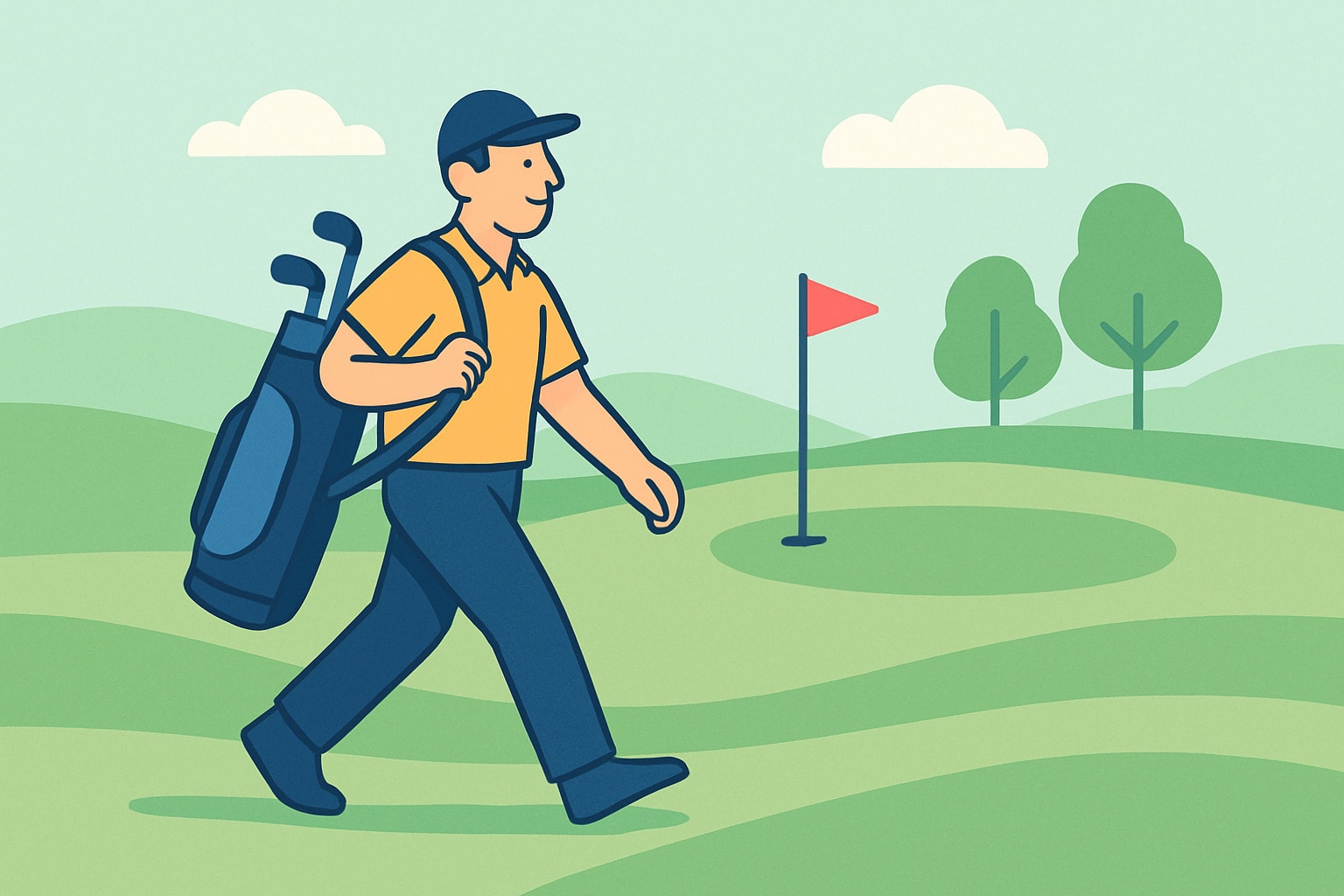
With just a few smart choices, like walking the course, stretching, and playing with friends, you’ll turn every round of golf into a boost for both your health and happiness.
Common Misconceptions About Golf’s Benefits
Some people underestimate golf’s impact, but many of these beliefs simply aren’t true. Let’s clear up the most common myths:
- “Golf isn’t real exercise”: In reality, walking 18 holes can cover 4-6 miles and burn between 1,200 and 2,000 calories if you carry your bag (Golf Monthly). That’s comparable to a long hike.
- “Golf is only for older people”: While seniors love golf for its low-impact nature, younger athletes also benefit from improved flexibility, focus, and endurance. Many professionals even cross-train with golf to sharpen mental discipline.
- “Golf doesn’t improve fitness”: The sport builds cardiovascular health, muscle strength, balance, and coordination over time. Swinging clubs, walking slopes, and carrying bags all contribute to real physical conditioning.
- “Golf is too slow to be healthy”: The steady pace is actually part of the benefit: it combines consistent movement with mental focus and stress relief, making it a sustainable form of exercise across a lifetime.
Golf is more than a leisurely game, it’s a full-body, lifelong activity with benefits that most people don’t realize until they play.
FAQs About Golf and Health
Is golf good for weight loss?
Yes. Walking 18 holes can burn 1,200-2,000 calories depending on your pace and whether you carry your bag, making it a steady way to support weight loss.
How many calories does golf burn?
On average, golf burns 200-400 calories per hour, and a full round can go up to 2,000 if you walk instead of taking a cart (Golf Monthly).
Can seniors play golf safely?
Absolutely. Golf is low-impact, easy on the joints, and can be adapted for different fitness levels, which is why it’s popular among older adults.
Is golf better than the gym for long-term health?
It depends on your goals. The gym builds strength and muscle faster, but golf adds unique benefits: outdoor activity, social interaction, mental focus, and proven links to longer life (Scandinavian Journal of Medicine & Science in Sports).
Does golf improve mental health?
Yes. Being outdoors, walking in nature, and focusing on each shot all reduce stress and improve concentration. Research shows golfers report higher well-being compared to non-golfers.
Get instant access to the PDF version of this article with additional resources and insights.