
TL;DR
You wear a golf glove on your lead hand, left for right-handed golfers, right for left-handed golfers. It improves grip, control, and consistency, especially in humid or wet conditions.
Key Takeaways
- Lead hand = gloved hand (left for right-handers, right for left-handers)
- Gloves improve grip, comfort, and control
- The trail hand stays bare for feel
- Remove glove when putting or chipping
- Choose snug fit and proper material for your conditions
What Hand Do You Wear a Golf Glove On?
You wear a golf glove on your lead hand, the hand that sits highest on the grip and controls most of the swing.
- If you’re a right-handed golfer, that means your left hand.
- If you’re a left-handed golfer, it’s your right hand.
The lead hand has the most contact with the club and does most of the gripping work, so it benefits the most from the extra traction and protection a glove provides. Wearing the glove on this hand helps prevent the club from slipping, reduces blisters, and allows for a more stable, controlled swing, especially in warm or humid conditions.
Most golfers keep their trail hand bare to maintain better feel and sensitivity through impact, which is why you’ll usually see players wearing only one glove.

Why Golfers Wear a Glove
Golfers wear a glove mainly for grip, comfort, and consistency. A golf swing requires precise control, and a firm yet relaxed grip is key. The glove adds a thin layer of traction that helps keep the club from slipping, especially when your hands get sweaty or the weather turns humid.
Beyond grip, a glove also prevents blisters and calluses caused by repeated friction between your hand and the club. It lets you hold the club securely without squeezing too hard, promoting a smoother, more relaxed swing.
In short, the glove helps you:
- Maintain a steady grip through every swing.
- Play comfortably for long rounds without irritation.
- Perform consistently in different weather conditions.
That’s why nearly every professional and casual golfer wears one, it’s a small accessory that makes a big difference.
Why Only One Glove?
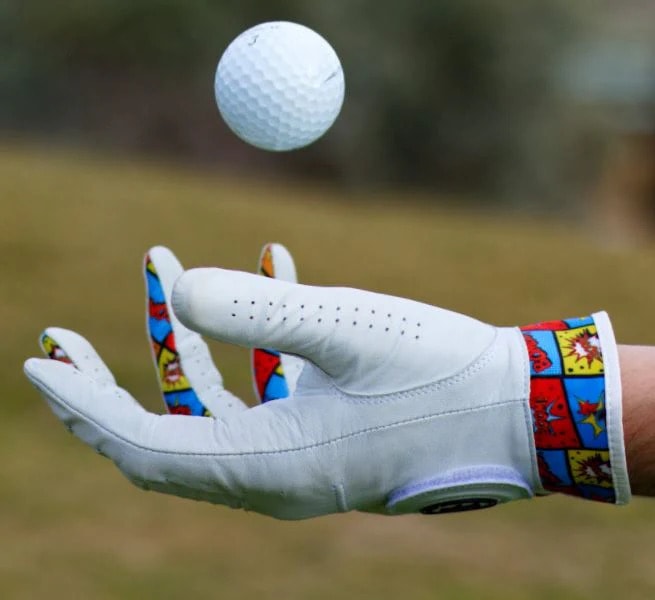
Most golfers wear only one glove, on their lead hand, because the trail hand (the lower hand on the grip) is responsible for feel and touch during the swing. Keeping it bare allows for better feedback and connection with the club.
The lead hand does most of the gripping and controls the clubface, so it benefits from the extra traction and protection of a glove. The trail hand, on the other hand, fine-tunes control and release through impact, something that can feel less natural with fabric in the way.
Some golfers, especially in wet or cold weather, wear two gloves for added grip or warmth. A few professionals like Tommy “Two Gloves” Gainey even prefer it full-time — but that’s more of an exception than the rule.
So while one glove might seem like an odd tradition, it’s really about finding the right balance between grip security and natural feel.

When to Take Off Your Glove
While a golf glove helps during most shots, there are moments when it’s better to take it off, mainly for better feel and control.
Most golfers remove their glove when putting or chipping around the green. These shots rely on touch and precision rather than power, and having direct contact with the grip helps you sense the club’s weight and movement more accurately.
You should also remove your glove between holes or during breaks. This keeps your hand dry, lets the glove air out, and extends its lifespan, especially in warm or humid conditions.
Pro tip: if you play long rounds or sweat a lot, carry a spare glove and rotate them. A dry glove always performs better than a damp one.
How to Choose the Right Golf Glove
Picking the right golf glove can make a real difference in comfort and performance. The goal is a glove that feels like a second skin: snug, smooth, and supportive without restricting movement.
Here’s what to look for:
Fit: The glove should be tight enough that there are no wrinkles in the palm or fingers but not so tight that it strains when you close your hand.
Material:
- Cabretta leather gives the best feel and grip — preferred by most pros.
- Synthetic gloves are more durable and affordable, great for frequent practice.
- Hybrid gloves combine both for balance between comfort and longevity.
Weather type:
- Rain gloves maintain traction when wet.
- Winter gloves keep hands warm without losing grip.
Care: Always air-dry your gloves after use, and never leave them in direct sunlight or your golf bag overnight. Rotating between two or more gloves helps them last longer.
A well-fitted, quality glove gives you confidence in every swing: secure grip, smooth feel, and fewer distractions.
Popular Golf Gloves Most Players Choose
When it comes to golf gloves, a few trusted names dominate the market because of their fit, feel, and reliability. Here are some of the most popular choices among both professionals and everyday golfers:
- FootJoy StaSof: A classic tour-level glove made from premium cabretta leather. Soft, breathable, and used by countless PGA players.
- Titleist Players Glove: Known for its thin, supple feel that gives excellent feedback through the swing. Perfect if you value precision and responsiveness.
- TaylorMade Tour Preferred: Offers a snug fit and smooth texture, ideal for consistent grip pressure and durability.
- Callaway Tour Authentic: Combines premium leather with small ventilation holes for moisture control and long-round comfort.
- Under Armour Iso-Chill: Great for hot climates; the cooling fabric keeps your hands dry and reduces sweat buildup.
- Rain & Winter Gloves: FootJoy RainGrip and Callaway Thermal Grip are favorites for those who play year-round in any weather.
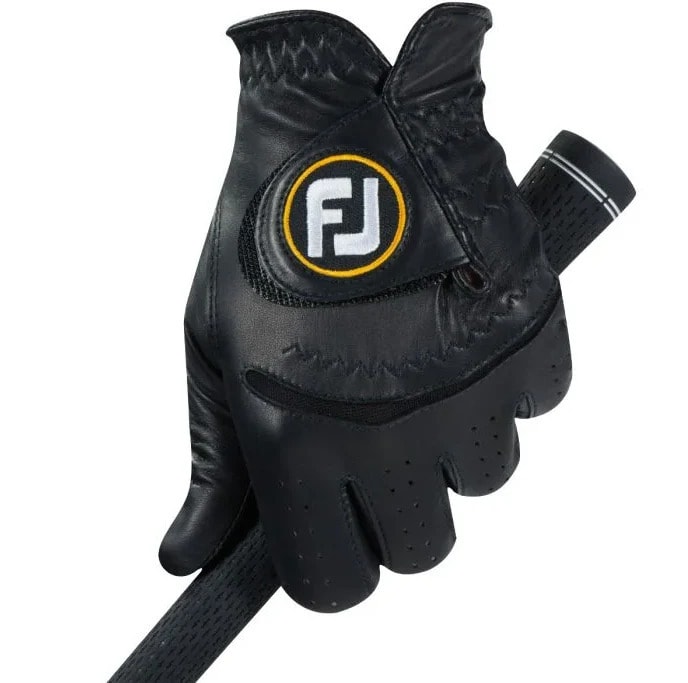
No matter the brand, the best glove is the one that fits your hand comfortably, stays dry, and matches your playing conditions. A high-quality glove won’t improve your swing by itself, but it helps make every shot more stable and confident.
Common Mistakes to Avoid
Even experienced golfers make small glove mistakes that can affect comfort and performance. Here are the most common ones to watch out for:
- Wearing the glove on the wrong hand: Remember, wear it on your lead hand (left for right-handers, right for left-handers).
- Choosing the wrong size: A glove that’s too loose can slip, while one that’s too tight can restrict your grip. It should fit like a second skin: snug, no wrinkles.
- Ignoring wear and tear: Old gloves lose grip and stretch out. Replace them once the palm becomes smooth or thin.
- Not drying your glove: Leaving it damp in your bag leads to stiffness, odor, and shorter lifespan. Always air it out after your round.
- Wearing it for every shot: Take it off for putting or chipping to improve touch and feel.
- Using one glove for all conditions: Have separate gloves for hot, cold, or rainy weather, they’re designed for different traction and comfort levels.
Avoiding these mistakes keeps your glove performing like new and helps you maintain a consistent, confident grip on every swing.
FAQs
Do I need to wear a glove on both hands?
No, most golfers wear just one glove on their lead hand (left for right-handers, right for left-handers). The trail hand stays bare for better feel and feedback through the swing.
Why do golfers take off their glove before putting?
Putting requires touch and sensitivity, not grip strength. Taking off the glove helps golfers feel the club and control distance more precisely on the greens.
Can I play golf without a glove?
Yes, you can, but a glove helps prevent slipping and blisters, especially in hot or humid weather. Many pros still use one because it adds consistency and confidence to their swing.
Are there special gloves for left-handed golfers?
Yes. Most golf glove brands make both left-hand and right-hand versions. If you swing left-handed, you’ll need a glove for your right hand, and vice versa.
How often should I replace my golf glove?
It depends on how often you play, but most golfers replace theirs every 15–20 rounds. Signs it’s time for a new one include smooth spots on the palm, stretched fingers, or reduced grip.
Get instant access to the PDF version of this article with additional resources and insights.