
TL;DR – Slide in One Line
A slide is an excessive hip shift toward the target during the downswing, killing rotation, power, and consistency.
Key Takeaways
- Definition: Lateral hip shift replaces rotation in the downswing.
- Effects: Causes thin/fat strikes, slices & lost distance.
- Main Causes: Over-shifting weight, inactive trail leg, weak core/glutes, overactive hips, poor rotation concept.
- Fixes: Bump-then-Rotate, Wall Hip Check, Step-Through, stable trail leg, video or alignment-stick feedback.
- Pro Tips: Maintain trail-leg stability, rotate lead hip, apply ground pressure, engage core.
What Is a Slide in Golf?
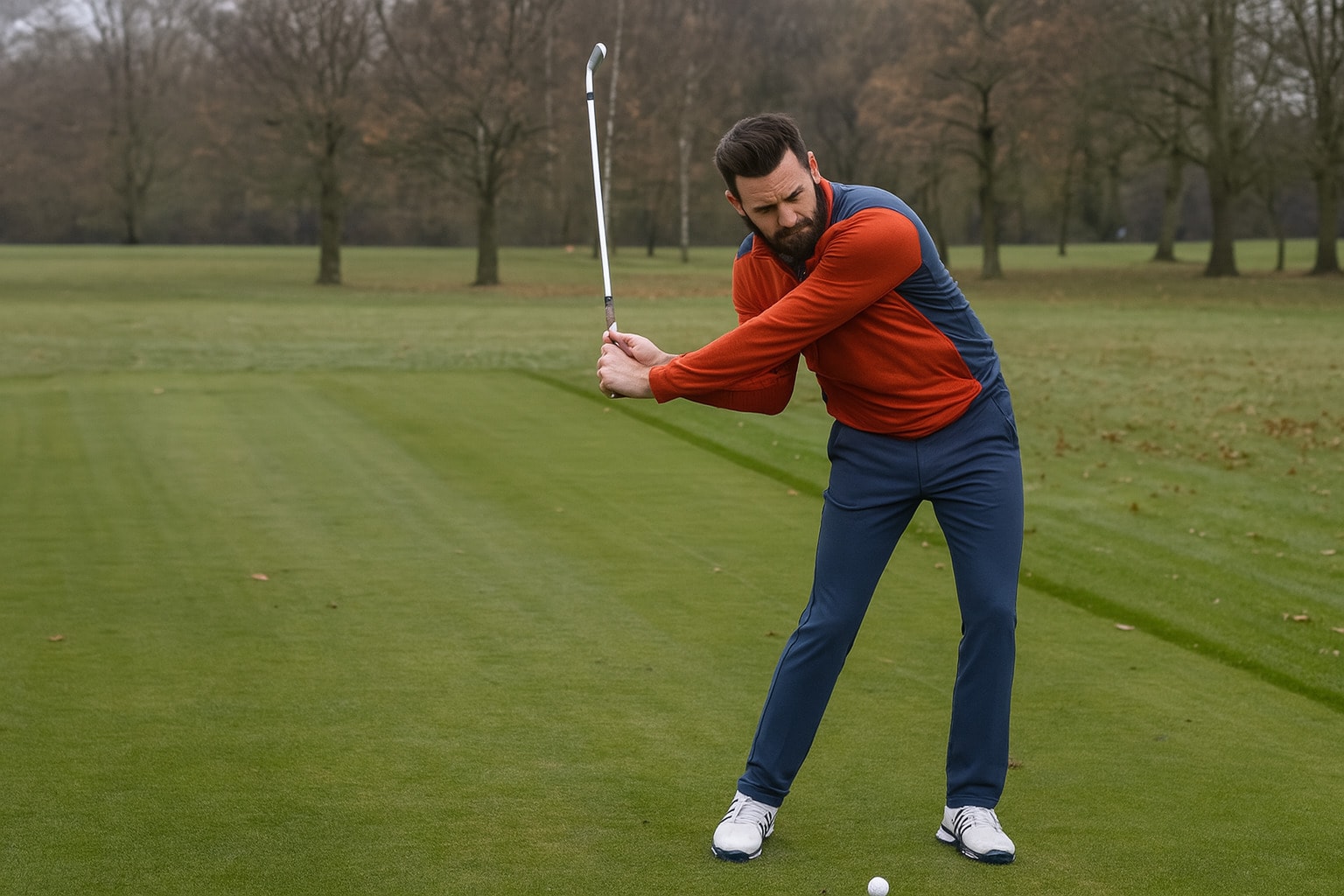
A slide in golf is a swing fault where the hips and lower body move laterally toward the target during the downswing instead of rotating. This unwanted motion interferes with proper swing mechanics and disrupts balance and consistency.
By sliding instead of rotating, golfers lose the ability to generate power from the ground up. It often leads to poor contact, reduced distance, and directional misses like pushes or slices.
Why Slide Is a Problem
A slide hurts your swing by replacing rotation with lateral movement, which breaks the proper sequencing needed for solid contact and power. Instead of coiling and uncoiling efficiently, your body drifts sideways, throwing off timing and balance.
This often leads to inconsistent strikes like thin or fat shots, loss of clubhead speed, and directional issues such as pushes or slices. Without proper rotation, it becomes harder to compress the ball and generate distance, especially under pressure or with longer clubs.
Common Causes of Slide
The most common causes of a slide in golf include over-shifting weight, inactive trail leg, weak core or glutes, overactive hips, and misunderstood rotation mechanics.
- Over-shifting weight: Trying too hard to move weight forward causes the body to slide instead of rotate.
- Inactive trail leg: A collapsing trail leg offers no resistance, letting the hips drift laterally.
- Weak core or glutes: Poor stability prevents proper control and rotation through the swing.
- Overactive hips: Leading too aggressively with the hips pulls the body out of sync and off balance.
- Misunderstood rotation: Mistaking lateral shift for rotation leads to inefficient, off-plane motion.
These problems are common, but with practice and the right drills, you can fix the slide and improve your swing.
How to Fix Slide in Your Swing
To fix a slide, focus on the Bump-then-Rotate Drill, Wall Hip Check Drill, Step-Through Drill, stable trail leg, and visual feedback with alignment sticks or video.
- Bump-then-Rotate Drill: Start with a slight bump toward the target, then rotate your hips. This trains the proper sequence and eliminates sliding.
- Wall Hip Check Drill: Stand next to a wall and rehearse your downswing without letting your trail hip bump into it.
- Step-Through Drill: Encourages balance and full rotation by having you step through the shot, preventing lateral movement.
- Stable trail leg: Keep your trail leg firm and loaded to support proper rotation and stop your hips from drifting forward.
- Use alignment sticks or video: These tools provide instant visual feedback to help you see and correct any slide.
By building these habits, you’ll develop a swing that’s more powerful, accurate, and easier to repeat.
Pro Tips to Stop Sliding
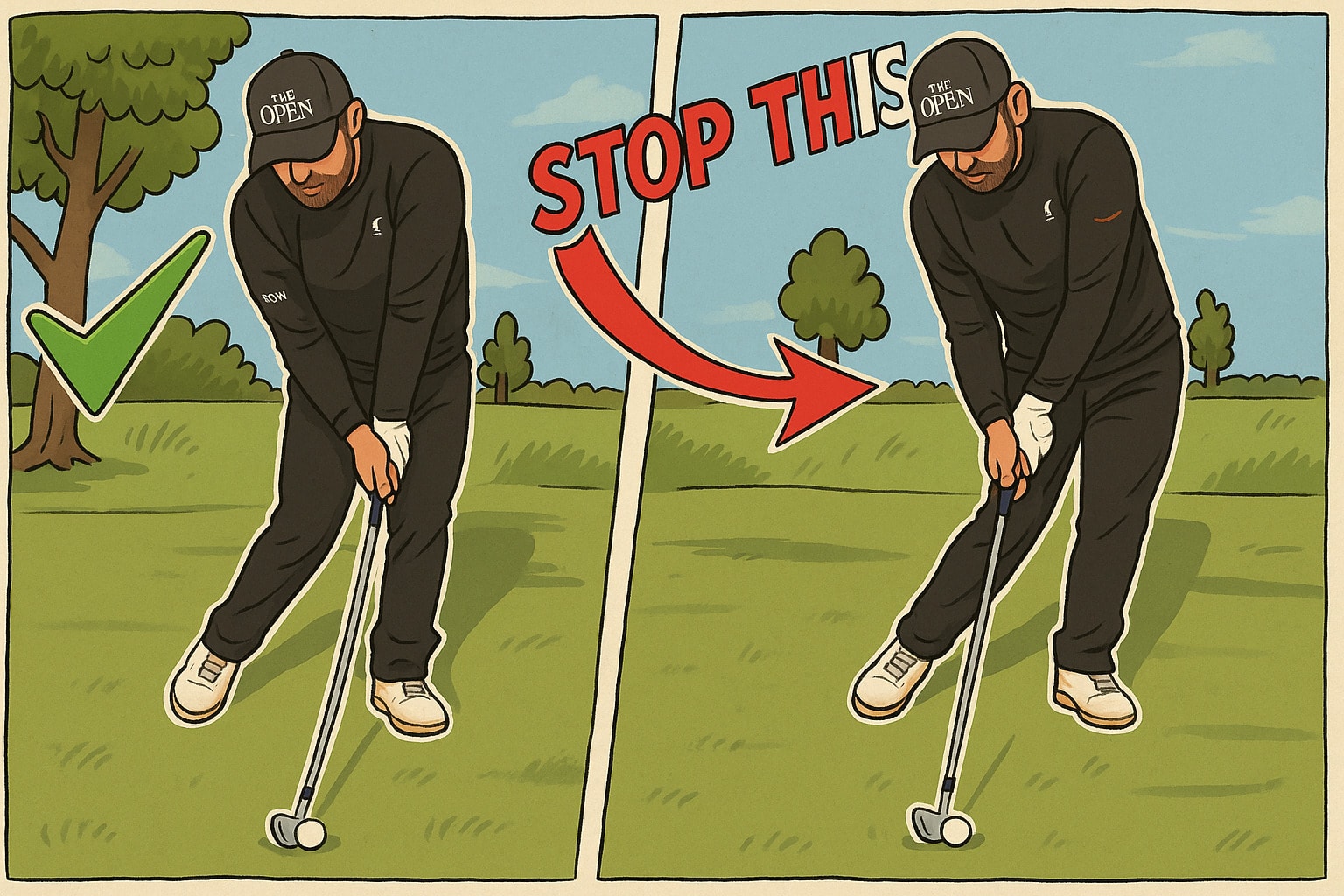
To stop sliding in your swing, focus on trail leg stability, lead side rotation, rotational pressure, and core engagement.
- Trail leg stability: Keep your trail leg flexed and grounded during the backswing and transition, it’s your base for rotation.
- Lead side rotation: Instead of shifting, feel your lead hip turning around behind you as you start the downswing.
- Rotational pressure: Push into the ground and rotate through it, rather than lunging forward.
- Engage your core: Strong core muscles help control your body’s movement and maintain posture throughout the swing.
These small adjustments help you stay centered, rotate efficiently, and eliminate lateral movement from your swing.
Slide vs. Related Swing Flaws
A slide is different from other common swing faults like sway, early extension, and reverse pivot, each has its own cause, movement pattern, and impact on your swing.
Slide vs. Sway
A slide happens during the downswing, when the hips move laterally toward the target instead of rotating.
A sway occurs during the backswing, when the upper or lower body shifts sideways rather than coiling around the spine.
Slide vs. Early Extension
A slide involves the hips moving horizontally toward the target, often resulting in blocked or sliced shots.
Early extension is when the hips thrust toward the ball, causing the spine to straighten and the chest to lift during the downswing, often leading to toe hits or thin shots.
Slide vs. Reverse Pivot
In a slide, weight shifts forward incorrectly with the hips drifting laterally in the downswing.
A reverse pivot is when weight stays on the front foot during the backswing and then shifts backward on the downswing, leading to balance issues and weak ball contact.
Understanding these differences helps you diagnose swing issues more accurately and apply the right corrections.
FAQs About Slide in Golf
What’s the difference between a slide and a sway?
A slide happens during the downswing, when the lower body moves laterally instead of rotating. A sway occurs during the backswing, when the upper or lower body shifts sideways rather than coiling.
Can a slide cause a slice or a hook?
Yes. A slide often causes a slice, especially if the clubface stays open due to poor rotation. It can also lead to a push or inconsistent contact, depending on timing and path.
Is sliding more common with longer clubs?
Yes, golfers often slide more with drivers and woods because they try to generate extra power. This over-effort can lead to poor mechanics and loss of control.
Get instant access to the PDF version of this article with additional resources and insights.